

Our Mission
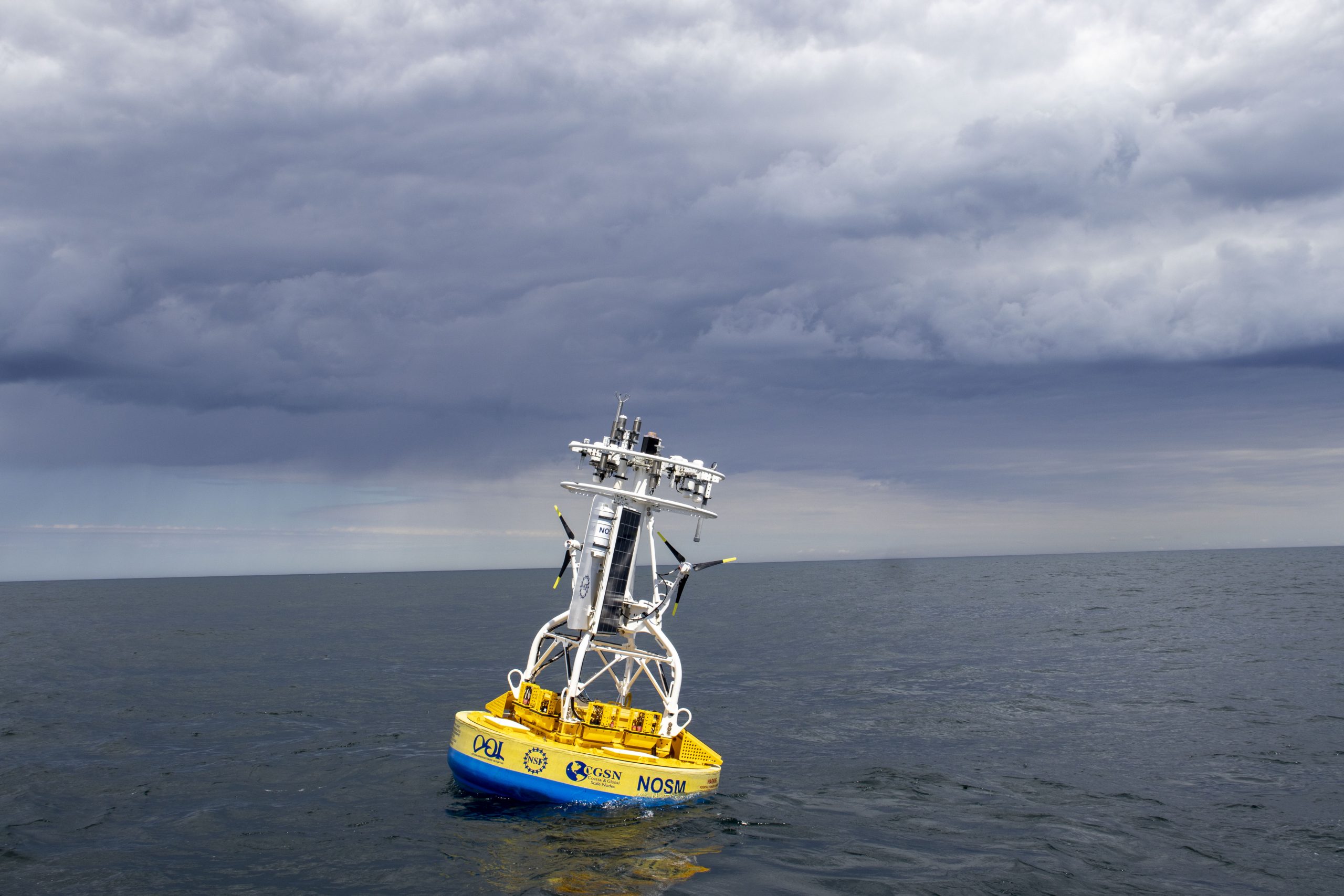
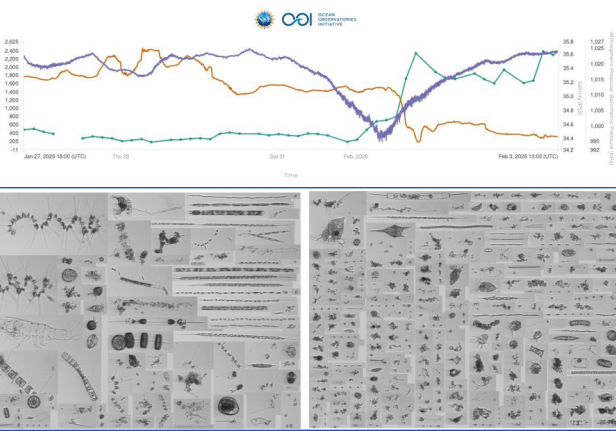
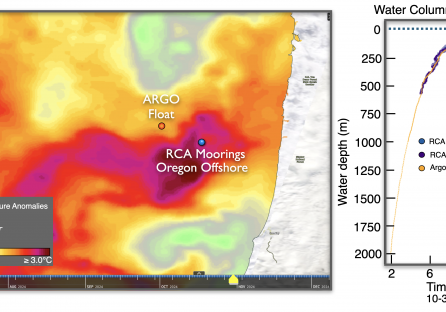
OOI collects sustained, long-term observations from across the ocean, providing continuous data on ocean conditions and processes. These measurements capture events such as storms and marine heat waves, as well as seasonal cycles and longer-term trends.
OOI data are advancing our understanding of ocean ecosystems, revealing climate and weather patterns, and increasing access to real-time information for fisheries and coastal communities. These observations can support coastal livelihoods, help communities assess risk, and provide timely information relevant to public safety.
As OOI’s ocean record continues to grow, these data provide new opportunities to ask questions, make discoveries, and deepen our understanding of the ocean.
Science enabled by OOI
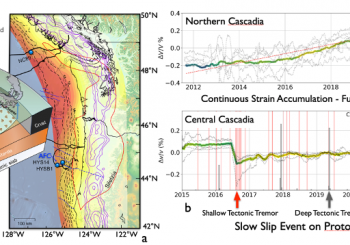
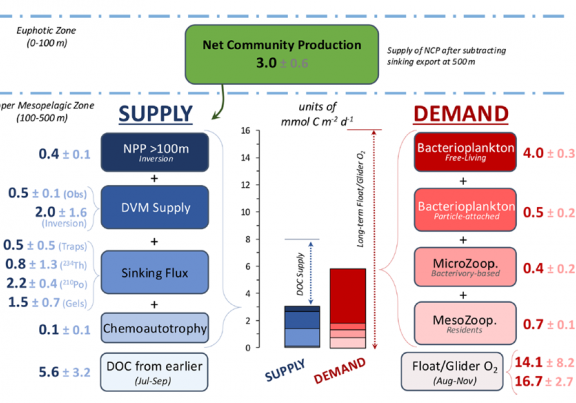
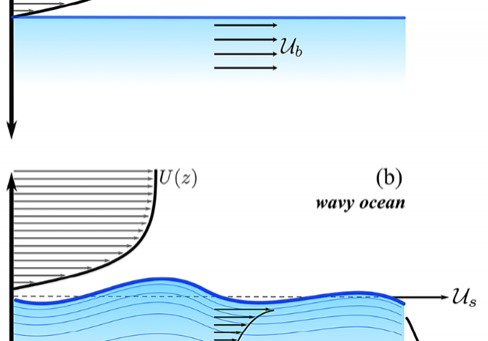
Discover what researchers are learning with OOI data.

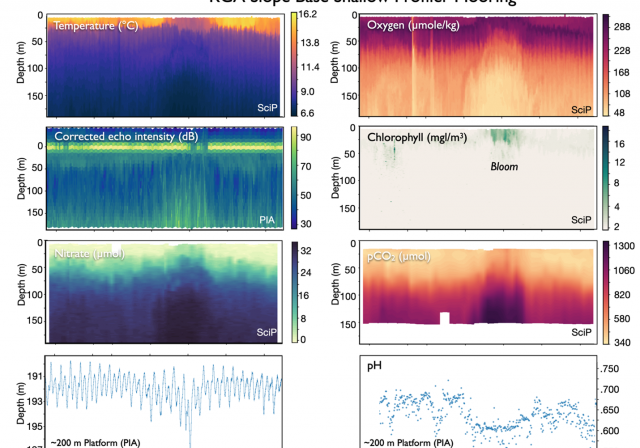
Latest from OOI
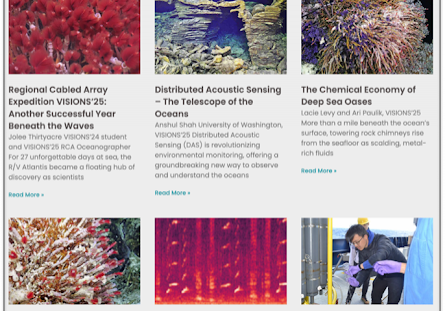
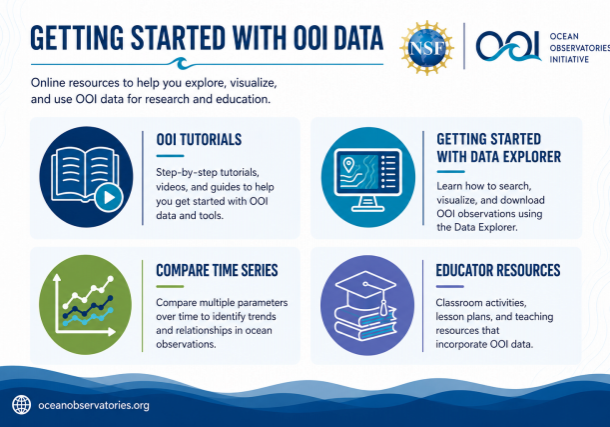
Explore the latest OOI activities, discoveries, and ways OOI data are advancing ocean research and education.
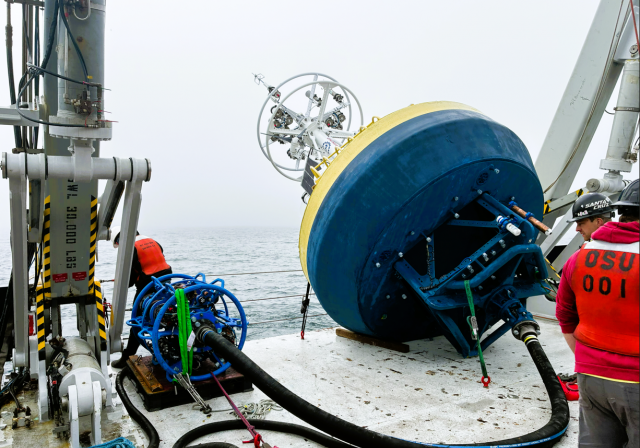
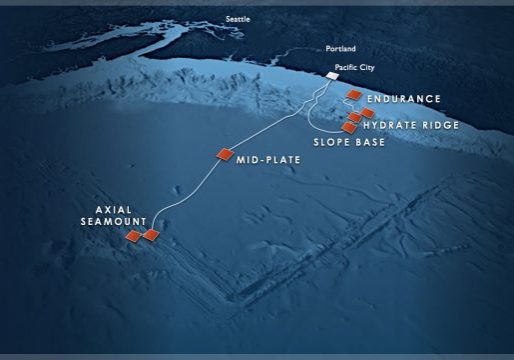

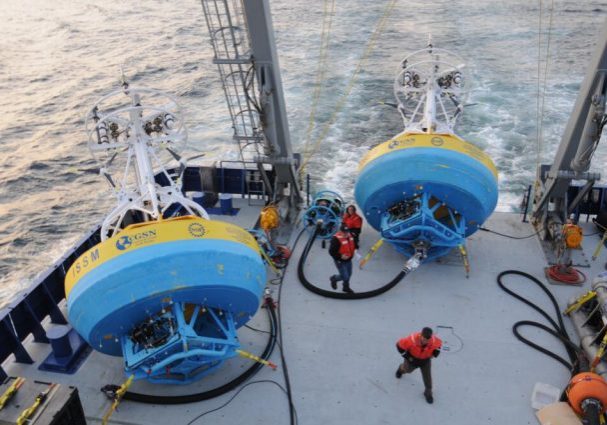


Latest Expeditions
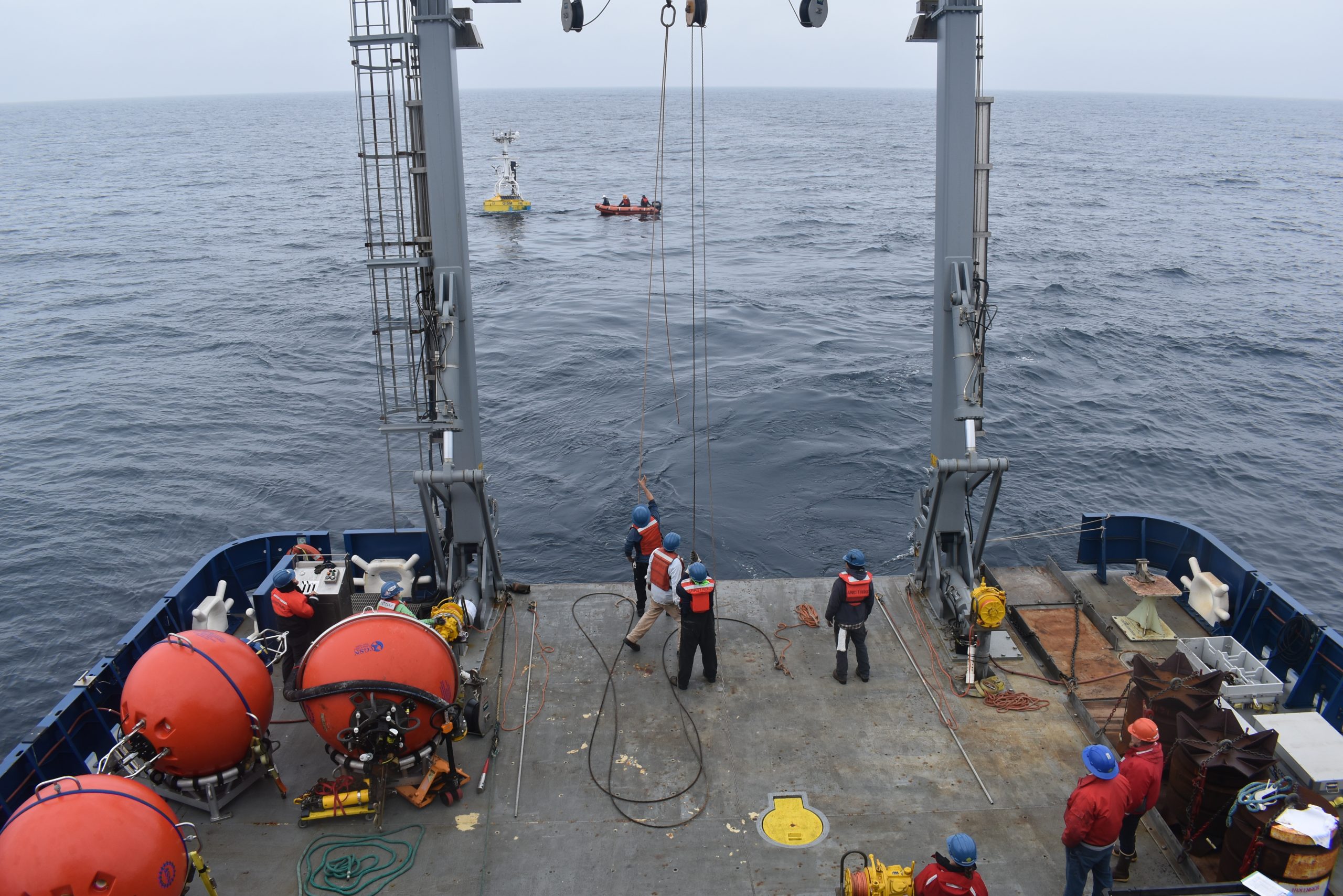
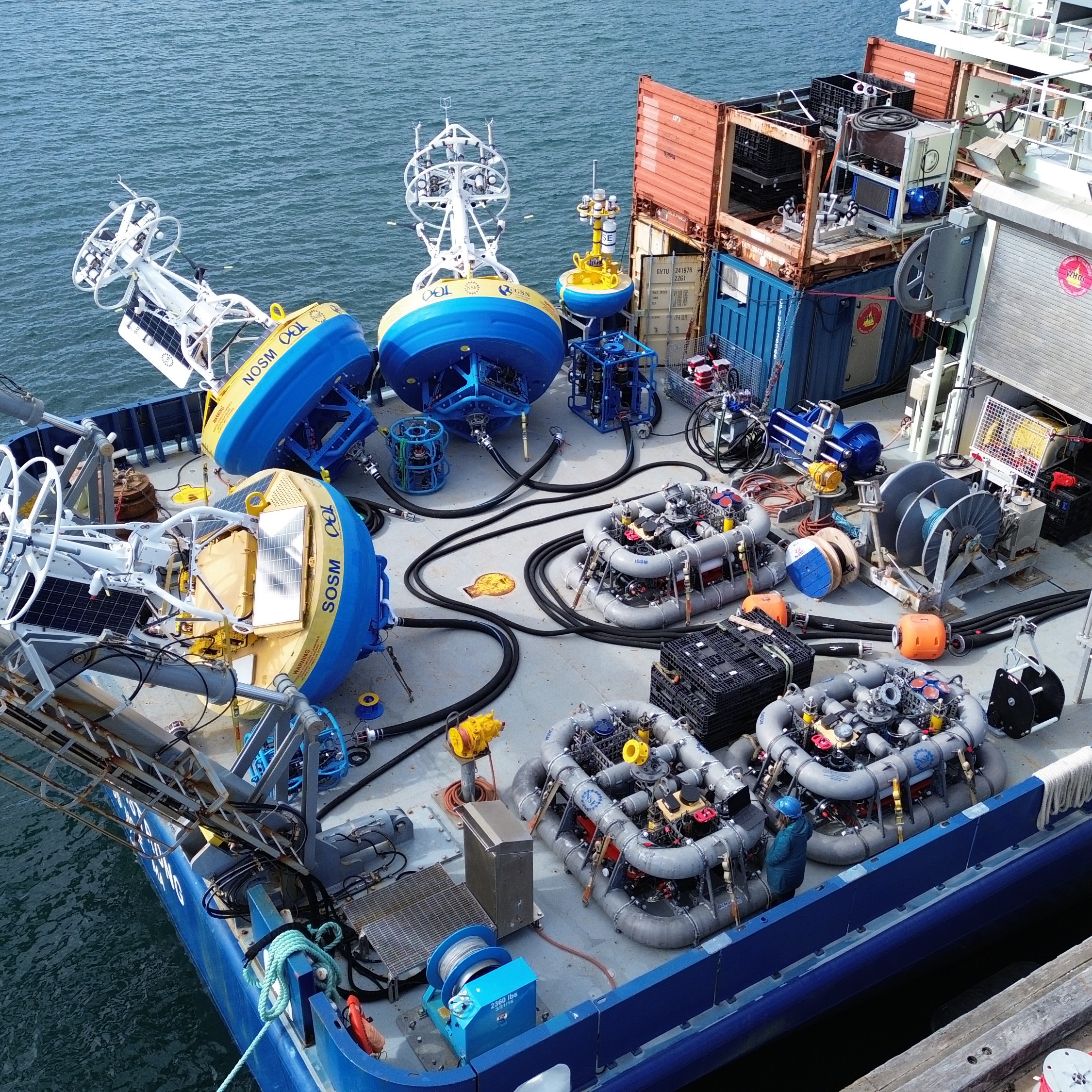
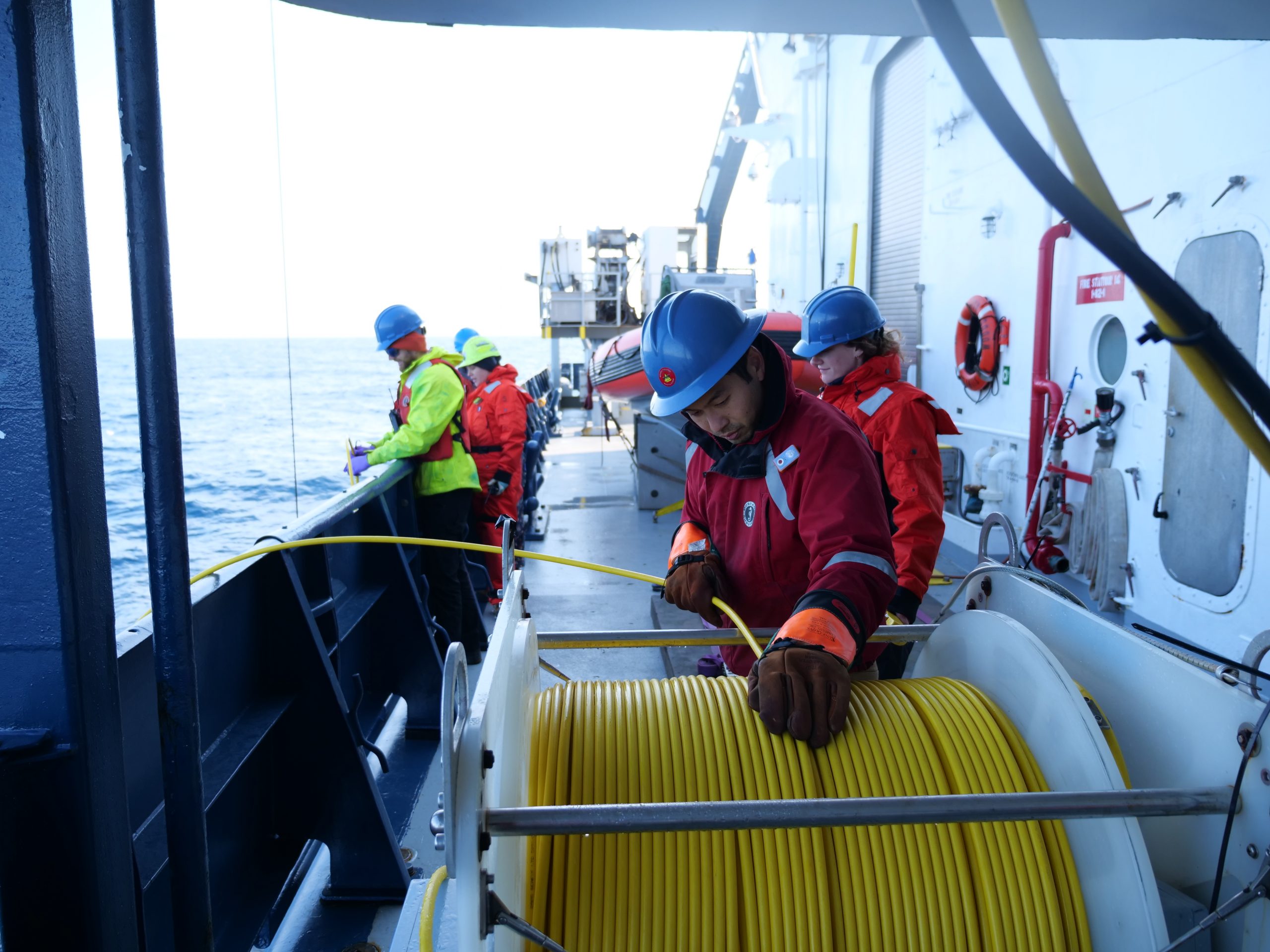
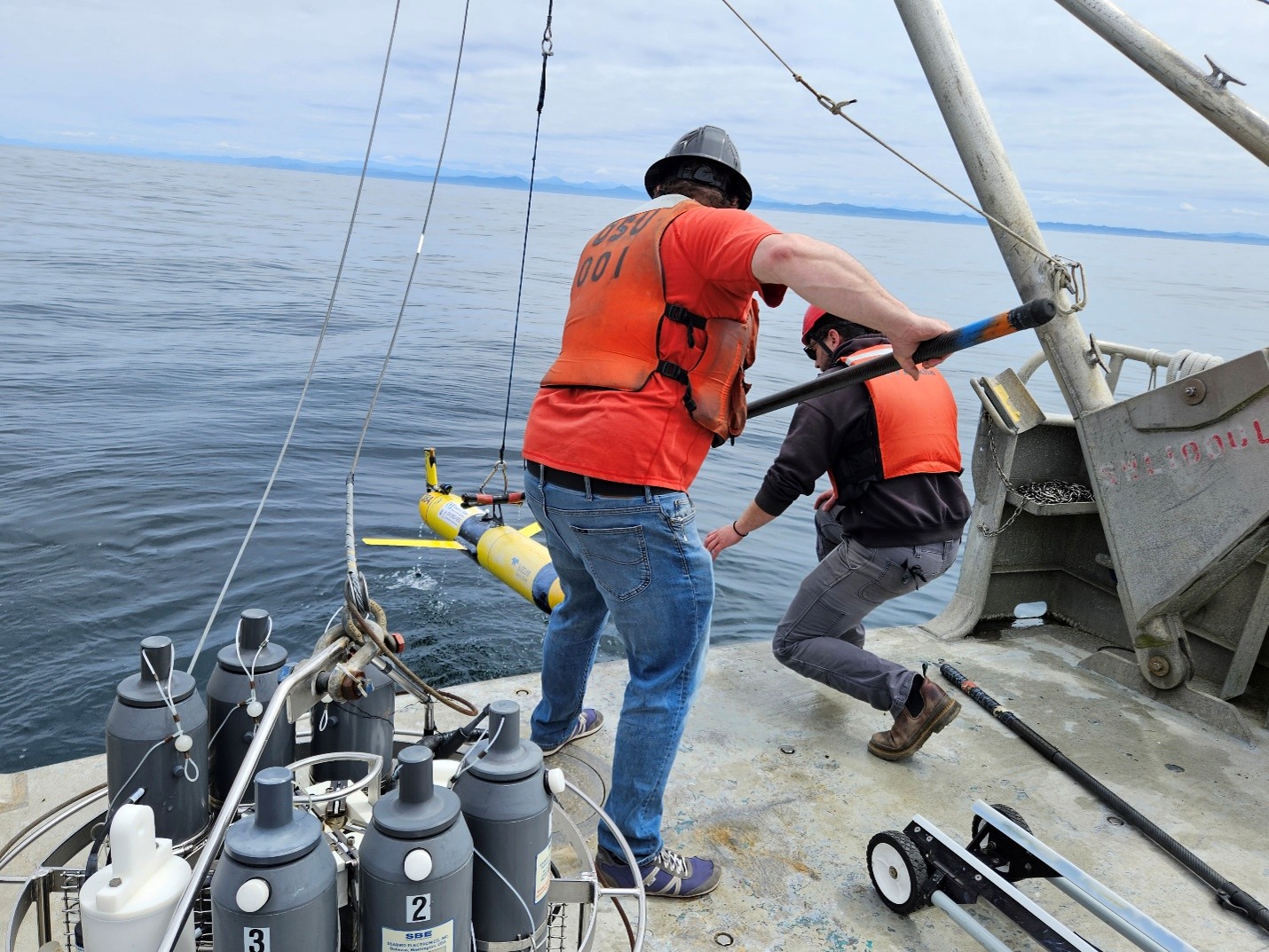
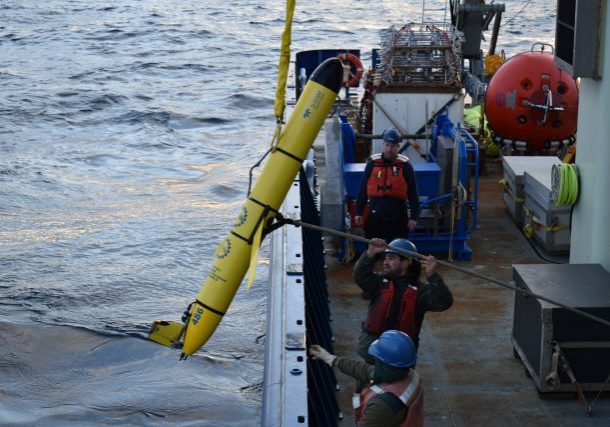
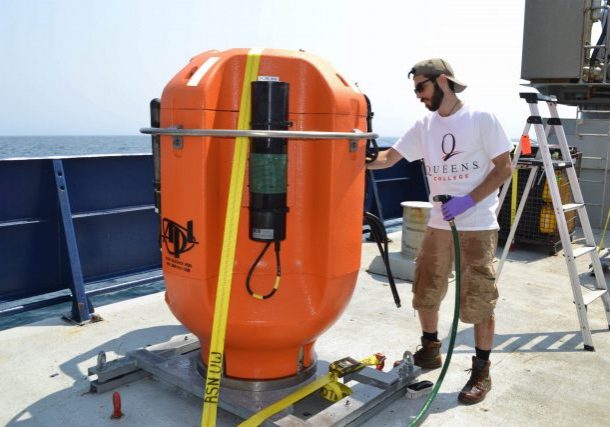
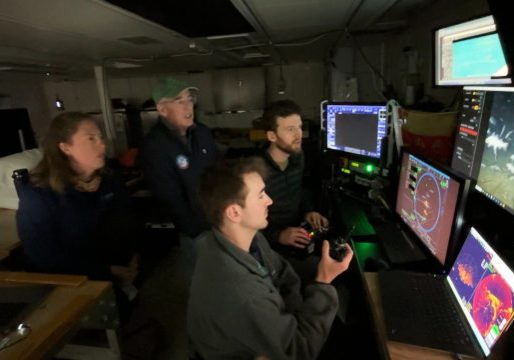
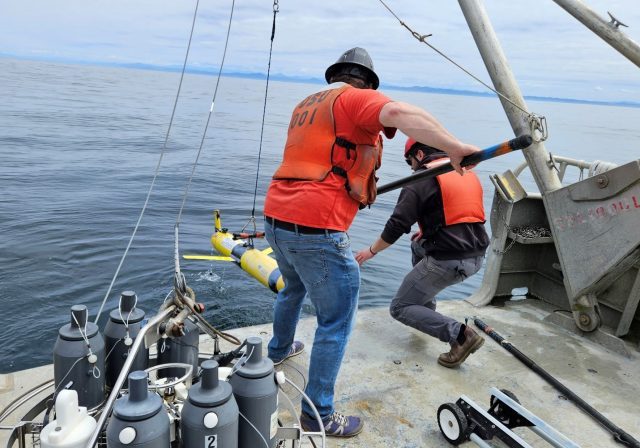
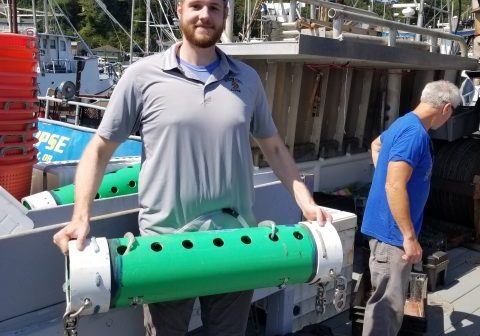
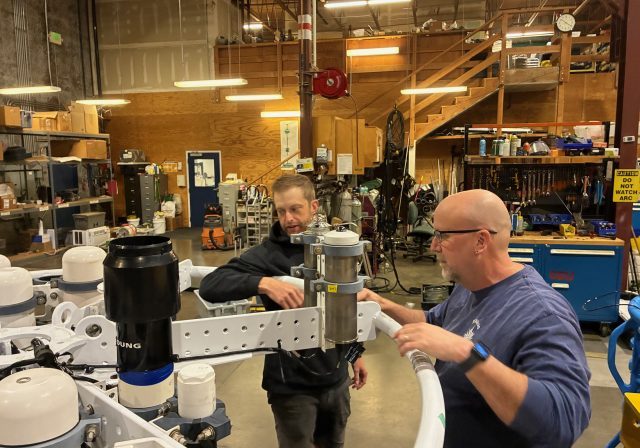
Follow OOI at sea. Our teams conduct regular operations and maintenance expeditions to recover, service, and deploy ocean observing assets and maintain sustained observations across OOI arrays.
OOI Events
OOI Events
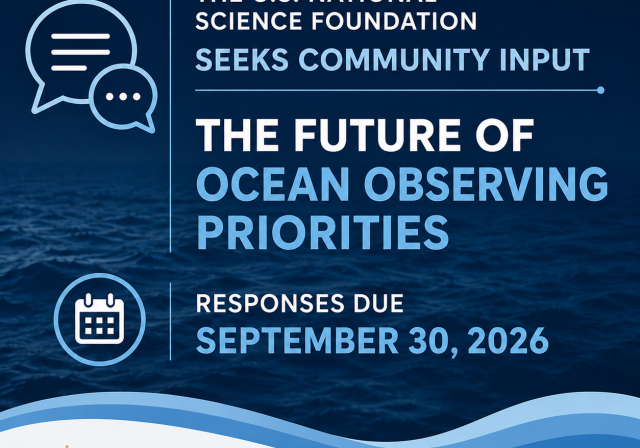
OOIFB Community Forum: Building a Collective Vision for the Future of Ocean Observing
AGU 2026: Long-Term Ocean Observatories as Drivers of Sensor and Data Science Innovation
AGU 2026: AI and Machine Learning for Sustained Ocean Observing: Progress and the Road Ahead
A Visual journey
A Window into the Changing Planet is a short documentary that shows the beauty and fragility of the ocean and explains how scientists, students, and policymakers are using OOI data to determine how the ocean is changing, at what speed, and what it means for the planet.
Photo Highlights