
Posts by Amber Coogan
New Measurements Capture Variability at the Edge of the Gulf Stream
The Ocean Observatories Initiative (OOI) Pioneer Array plays an important role in advancing our understanding of the Mid-Atlantic Bight and its dynamic interactions with the Gulf Stream. The Gulf Stream separates from the continental shelf northeast of Cape Hatteras and is found just offshore of the Pioneer MAB Array at its new location east of Nags Head, North Carolina. The Pioneer MAB science drivers include investigation of shelf-slope exchange that may result from Gulf Stream eddies and meanders. In order to capture variability offshore of the shelf, the Pioneer moored array extends offshore, but only to water depths of 300 m to avoid direct interaction with the Gulf Stream.
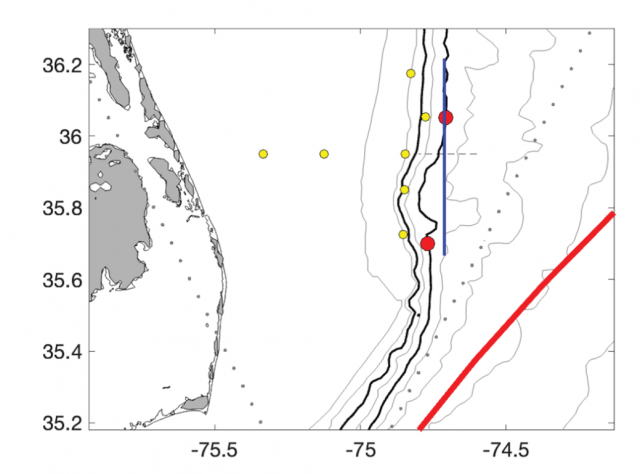
To supplement the Pioneer Array observations while enabling investigation of mesoscale variability, identifying western excursions of the Gulf Stream north wall, and detecting the upper portion of the Deep Western Boundary Current (DWBC), specialized instruments were deployed in deeper water. PI Magdalena Andres (WHOI), supported by an NSF Rapid Response Research (RAPID) grant, deployed two current- and pressure-sensor-equipped inverted echo sounders (CPIES; Fig. 1) on the 1000 m isobath. The two CPIES are about 40-km apart and are positioned to allow comparison with a glider which is running a north/south line (nominally) along the 1000 m isobath.
The CPIESs were deployed in June 2024 and will remain on site for four years. They are equipped with Popup Data Shuttles (PDSs) that return batches of data via satellite at regular intervals throughout the deployment. The CPIES measure round-trip vertical acoustic travel time with bursts of 16 pings every 10 minutes, along with near-bottom pressure and current measurements every 30 minutes. Travel time provides information about vertical density structure. Bottom pressure helps to diagnose large-scale barotropic circulation and sea level changes. Near-bottom currents give local flow conditions and help resolve ambiguities between baroclinic and barotropic contributions.
The first round of PDS data has been processed and is available to the community. Hourly processed data and lowpass filtered data from the two deployments sites can be accessed from a listing on the Community Data Sets page of the OOI website, or directly from the CPIES Data Set landing page. The new CPIES observations are complementary to the Pioneer Array measurements, extend the Array footprint offshore, and provide unique data for exploring mesoscale variability associated with the Gulf Stream and DWBC.
[caption id="attachment_36971" align="alignnone" width="1039"]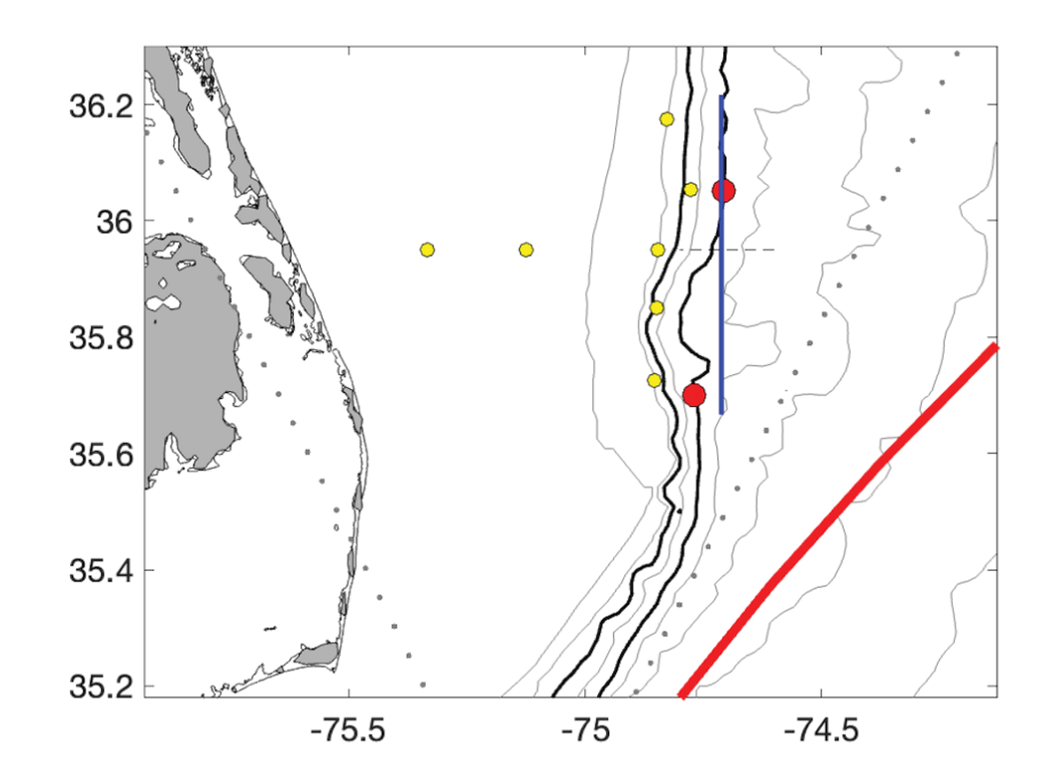 Figure 1. Map showing CPIES locations (red dots, site C1 to the north, C2 to the south) relative to the Pioneer MAB moorings (yellow dots) and the Pioneer Offshore Flux glider line (blue). The red line is the time-averaged position of the Gulf Stream core and the dotted lines are Jason satellite altimetry tracks. Heavy contours are the 200 and 1000 m isobaths.[/caption]
[caption id="attachment_36972" align="alignnone" width="1635"]
Figure 1. Map showing CPIES locations (red dots, site C1 to the north, C2 to the south) relative to the Pioneer MAB moorings (yellow dots) and the Pioneer Offshore Flux glider line (blue). The red line is the time-averaged position of the Gulf Stream core and the dotted lines are Jason satellite altimetry tracks. Heavy contours are the 200 and 1000 m isobaths.[/caption]
[caption id="attachment_36972" align="alignnone" width="1635"]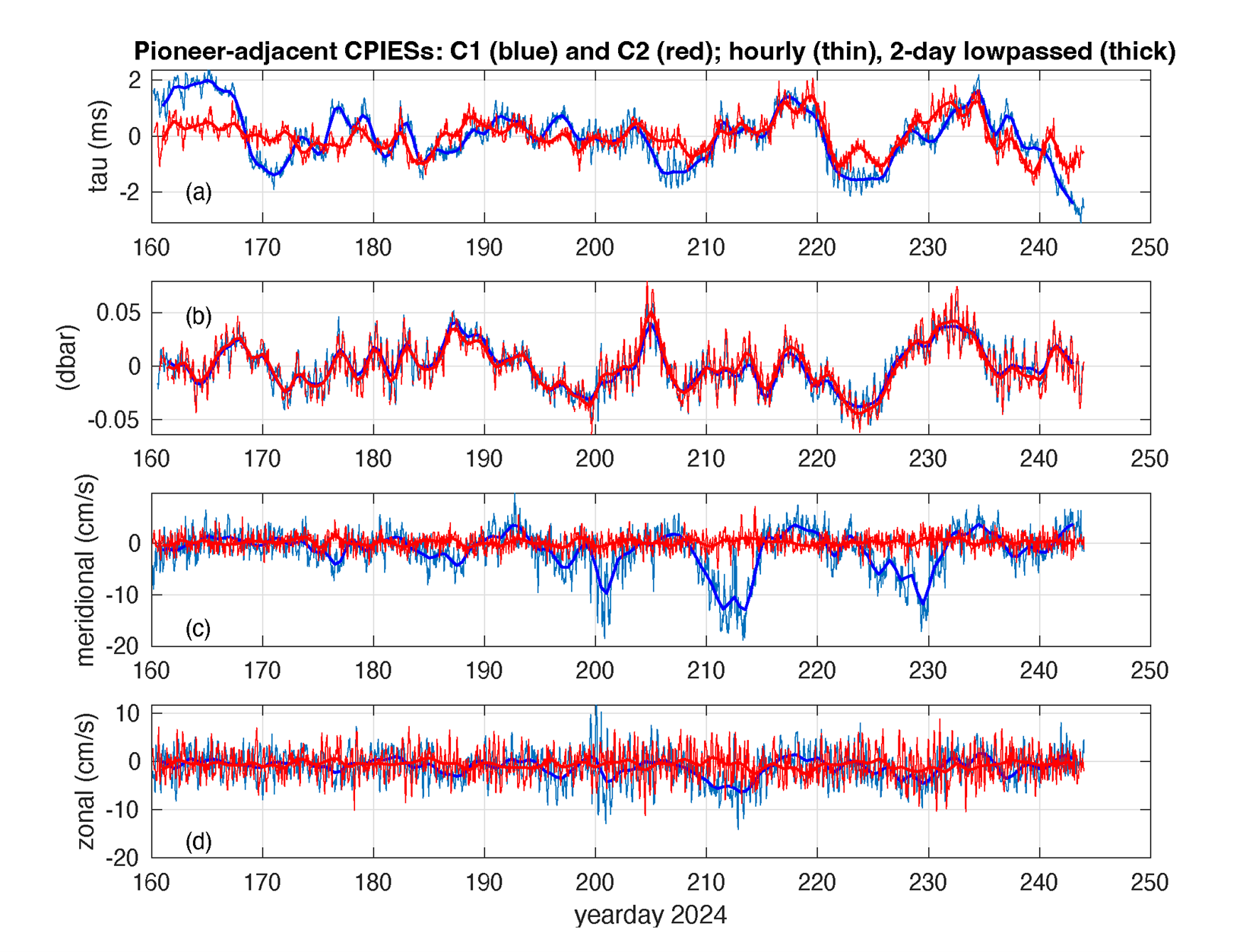 Figure 2. Data returned via satellite from the first two Popup Data Shuttles from CPIES at site C1(blue) and C2 (red). Hourly and two-day lowpass filtered records are shown for (a) round-trip acoustic travel time, (b) bottom pressure, (c,d) near-bottom meridional and zonal currents.[/caption]
Read More
Figure 2. Data returned via satellite from the first two Popup Data Shuttles from CPIES at site C1(blue) and C2 (red). Hourly and two-day lowpass filtered records are shown for (a) round-trip acoustic travel time, (b) bottom pressure, (c,d) near-bottom meridional and zonal currents.[/caption]
Read More CI Compass Interns Showcase Innovative Summer Research with OOI
The CI Compass Fellowship Program (CICF), funded by the U.S. National Science Foundation (NSF), prepares undergraduate students for careers in cyberinfrastructure through both training and applied research opportunities. The program begins with a 12-week virtual Spring Program, where students are introduced to skills essential for cyberinfrastructure careers at NSF Major or Mid-scale Facilities. Following the spring training, students may apply for the Summer Program, which places a limited number of Fellows in hands-on projects at collaborating NSF facilities.
Through this pathway, CI Compass Fellows Ejay Aguirre and Dylan Hermosillo earned internships with OOI this summer, where they applied their training to advance projects at the intersection of ocean science, cyberinfrastructure, and data analysis.
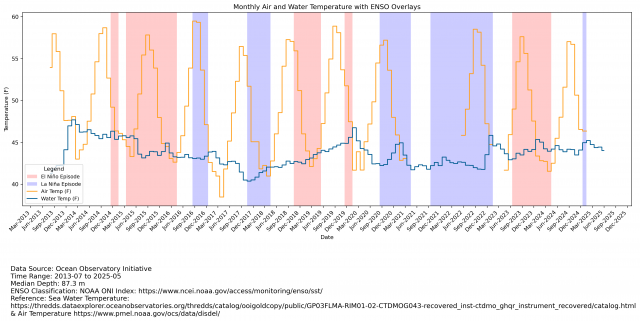
One project focused on connecting large-scale climate phenomena with accessible environmental data. Ejay Aguirre, an undergraduate at the University of Utah, integrated datasets from OOI, Ocean Networks Canada (ONC), and the National Ecological Observatory Network (NEON) to investigate how the El Niño Southern Oscillation (ENSO) is reflected across different monitoring sites. Using Python and Jupyter Notebook, he built a workflow for retrieving, cleaning, and comparing data across infrastructures. The analysis revealed that site characteristics, particularly latitude, influence the visibility of ENSO signals, with higher-latitude sites exhibiting weaker short-term patterns. Future work includes expanding the study to additional sites for broader spatial coverage, incorporating other climate indicators such as the Pacific Decadal Oscillation (PDO) and North Pacific Gyre Oscillation (NPGO), and publishing a publicly accessible, fully documented Jupyter Notebook to support reusability within the research community.
The second project addressed the challenge of monitoring ice conditions in the North Atlantic. Dylan Hermosillo, who will begin a PhD program in Bioinformatics at North Carolina State University, developed a convolutional neural network for ice detection using images collected by cameras mounted on a surface buoy at the OOI Irminger Array. The project stemmed from anomalies in buoy sensor data caused by iced-over instruments, which prompted the addition of cameras as supplementary monitoring tools. He worked with approximately 256,000 images, applying preprocessing steps such as pixel normalization and consistency checks. Tools like Dyno v2 and Facebook AI’s image similarity search were used to sort and filter the dataset. While challenges remained with image resolution and varying camera perspectives, the project demonstrated the feasibility of using buoy-mounted cameras to detect ice flows. Future directions include applying similar methods to cloud separation studies and exploring the integration of instruments such as solar meters to enhance atmospheric observations.
Reflecting on their progress, Jeffrey Glatstein, Senior Manager of Cyberinfrastructure at OOI noted, “Both Ejay and Dylan demonstrated how student researchers can make meaningful contributions when given the opportunity, providing fresh perspectives and impactful solutions that help advance OOI’s mission.”
As the CI Compass Fellowship Program continues to grow, it provides an important opportunity for developing the next generation of scientists and researchers engaged in cyberinfrastructure and data-intensive science.
Learn more about the CI Compass Fellowship Program by visiting the CI Compass website.
For those interested in the application process of the program, please visit the CI Compass Fellowship Program’s application process webpage.
[caption id="attachment_36916" align="alignnone" width="4801"]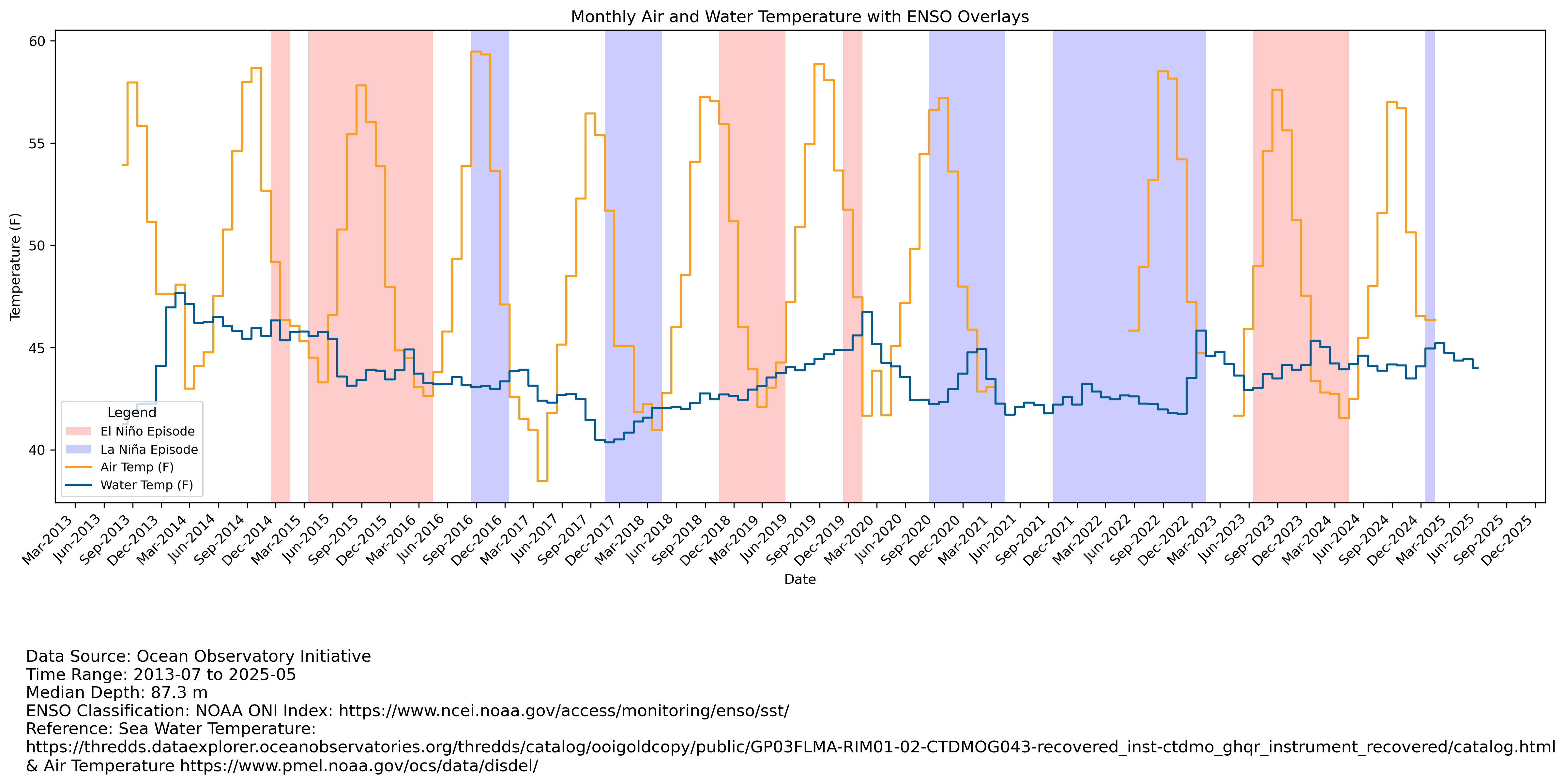 Air and water temperature plot generated from OOI data.[/caption]
Read More
Air and water temperature plot generated from OOI data.[/caption]
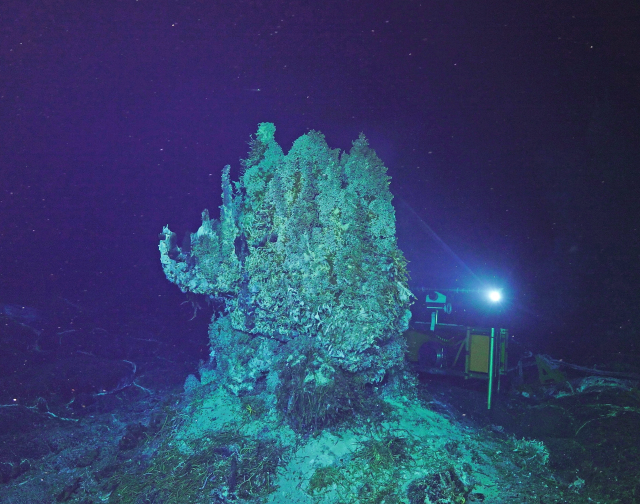
Read More Scientists play a waiting game with a giant volcano off the West Coast
2025 OOIFB Summer School on Acoustics
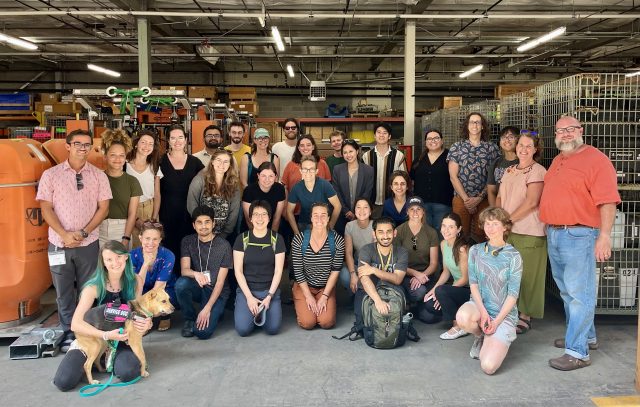
From July 14-18, 2025, the U.S. National Science Founded funded OOI Facility Board (OOIFB) hosted an immersive summer school at the University of Washington in Seattle, bringing together early-career ocean scientists to explore the science and applications of underwater acoustics using Ocean Observatories Initiative (OOI) data.
Co-chaired by Dr. Wu-Jung Lee and Dr. Shima Abadi of the University of Washington, the program combined targeted lectures, hands-on tutorials, and real-world exercises to build participant expertise in accessing, processing, and interpreting both active and passive acoustic datasets including those from echosounders, hydrophones, and bioacoustic sonars available through the OOI network.
Over five days, participants gained:
- Core knowledge on underwater sound propagation and the main factors influencing it.
- Familiarity with the range of acoustic instruments deployed in the OOI network.
- Practical skills in navigating OOI data portals to access and download acoustic and complementary oceanographic datasets.
- Experience working with OOI datasets in JupyterHub, building Python skills and reinforcing coding as a core part of the program.
- Insights into scientific questions that can be addressed using OOI data.
- Connections with a community of researchers using OOI data in their work.
Participants
This year’s program welcomed 23 advanced graduate students, postdoctoral fellows, and early-career scientists from diverse research backgrounds. While geared toward those with an interest in underwater acoustics, the school was designed to be accessible, with no prior deep expertise required and high-level primers on underwater acoustics provided.
Looking Ahead
Archived materials, including the full agenda and select summer school resources, will be made available in the coming months for the broader research community.
The OOIFB Summer School on Acoustics exemplifies how targeted training can build a knowledge base in ocean acoustics research and broaden the use of OOI data in science and education.
[caption id="attachment_36880" align="alignnone" width="2560"] The 2025 OOIFB Summer School on Acoustics cohort at the OOI-RCA Sand Point Facility.
 [/caption]
[caption id="attachment_36895" align="alignnone" width="2560"]
[/caption]
[caption id="attachment_36895" align="alignnone" width="2560"]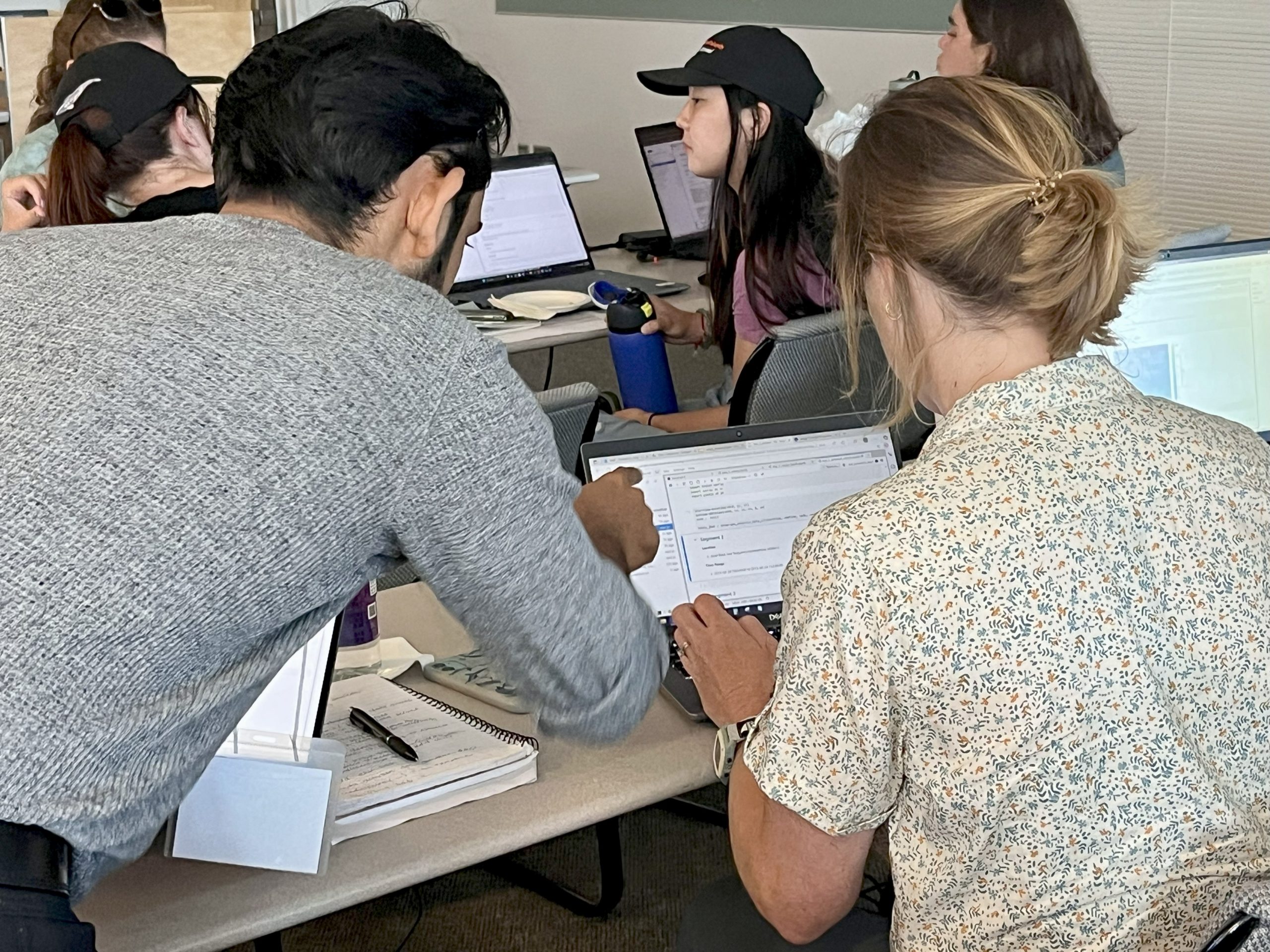 Students working through data exercises in the OOI JupyterHub environment. Credit: Holly Morin, OOIFB[/caption]
[caption id="attachment_36896" align="alignnone" width="2560"]
Students working through data exercises in the OOI JupyterHub environment. Credit: Holly Morin, OOIFB[/caption]
[caption id="attachment_36896" align="alignnone" width="2560"]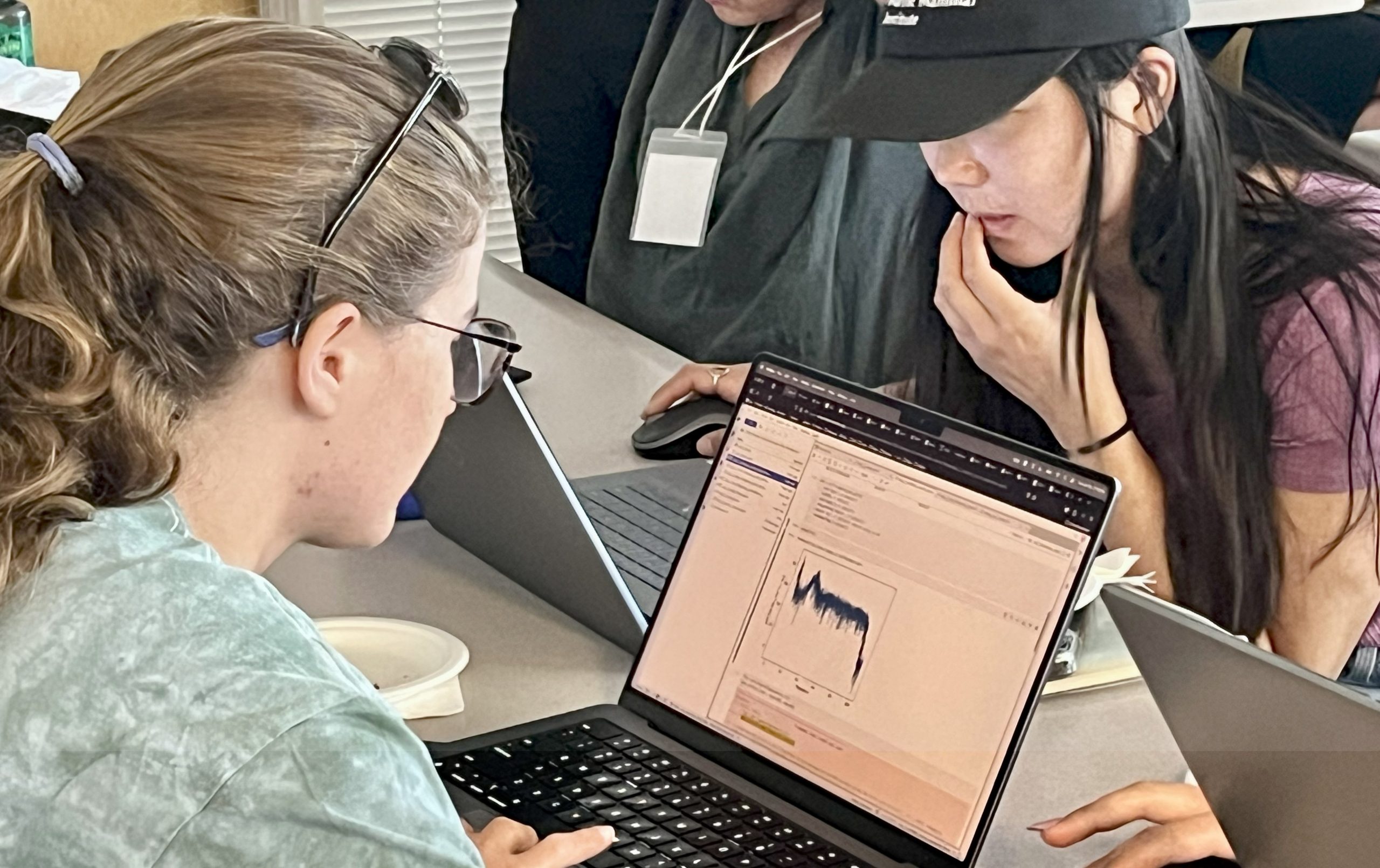 Students working through data exercises in the OOI JupyterHub environment. Credit: Holly Morin, OOIFB[/caption]
[caption id="attachment_36897" align="alignnone" width="2560"]
Students working through data exercises in the OOI JupyterHub environment. Credit: Holly Morin, OOIFB[/caption]
[caption id="attachment_36897" align="alignnone" width="2560"]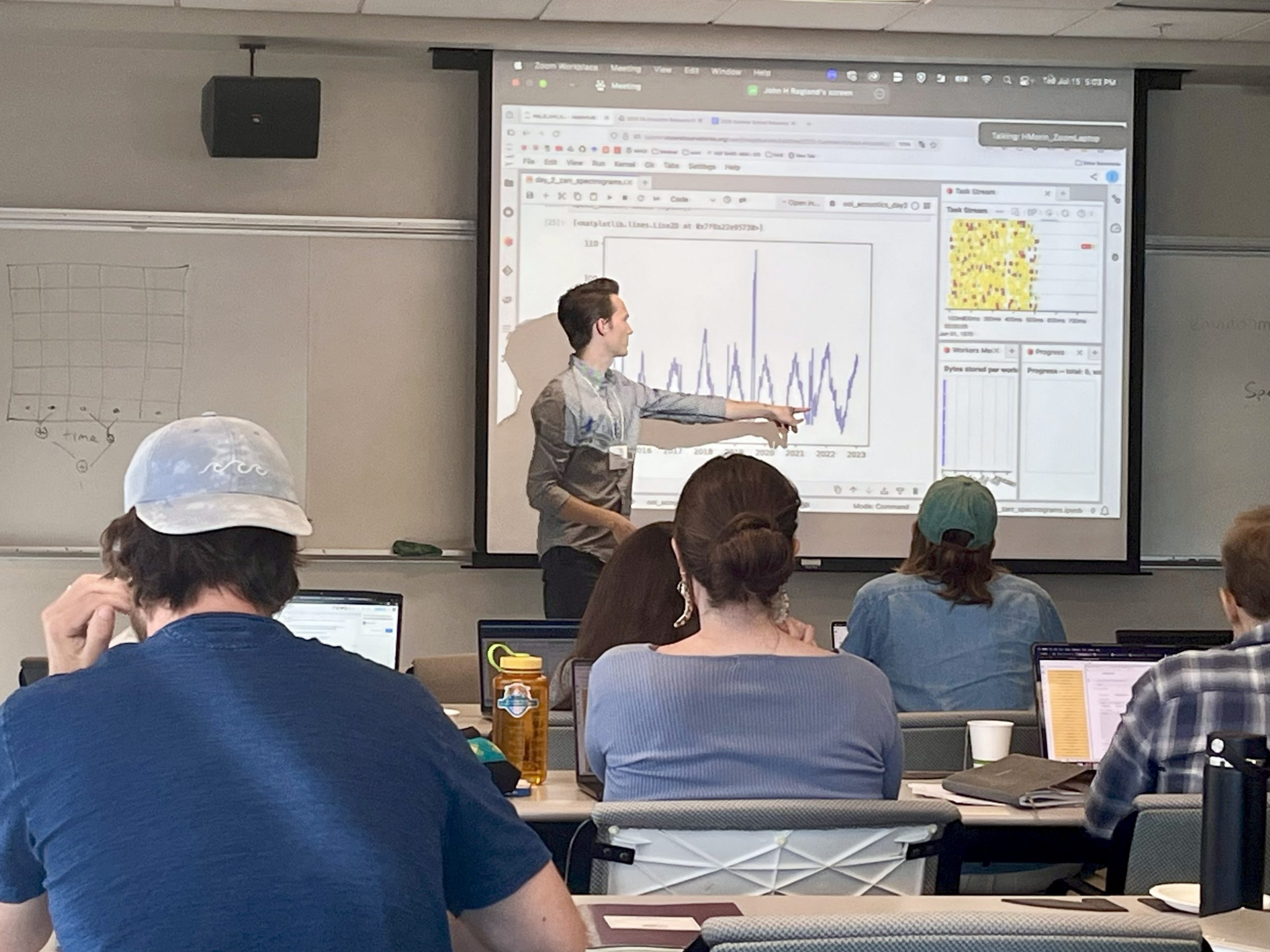 Dr. John Ragland works with participants to interpret outputs from a passive acoustic dataset. Credit: Holly Morin, OOIFB[/caption]
[caption id="attachment_36898" align="alignnone" width="2560"]
Dr. John Ragland works with participants to interpret outputs from a passive acoustic dataset. Credit: Holly Morin, OOIFB[/caption]
[caption id="attachment_36898" align="alignnone" width="2560"]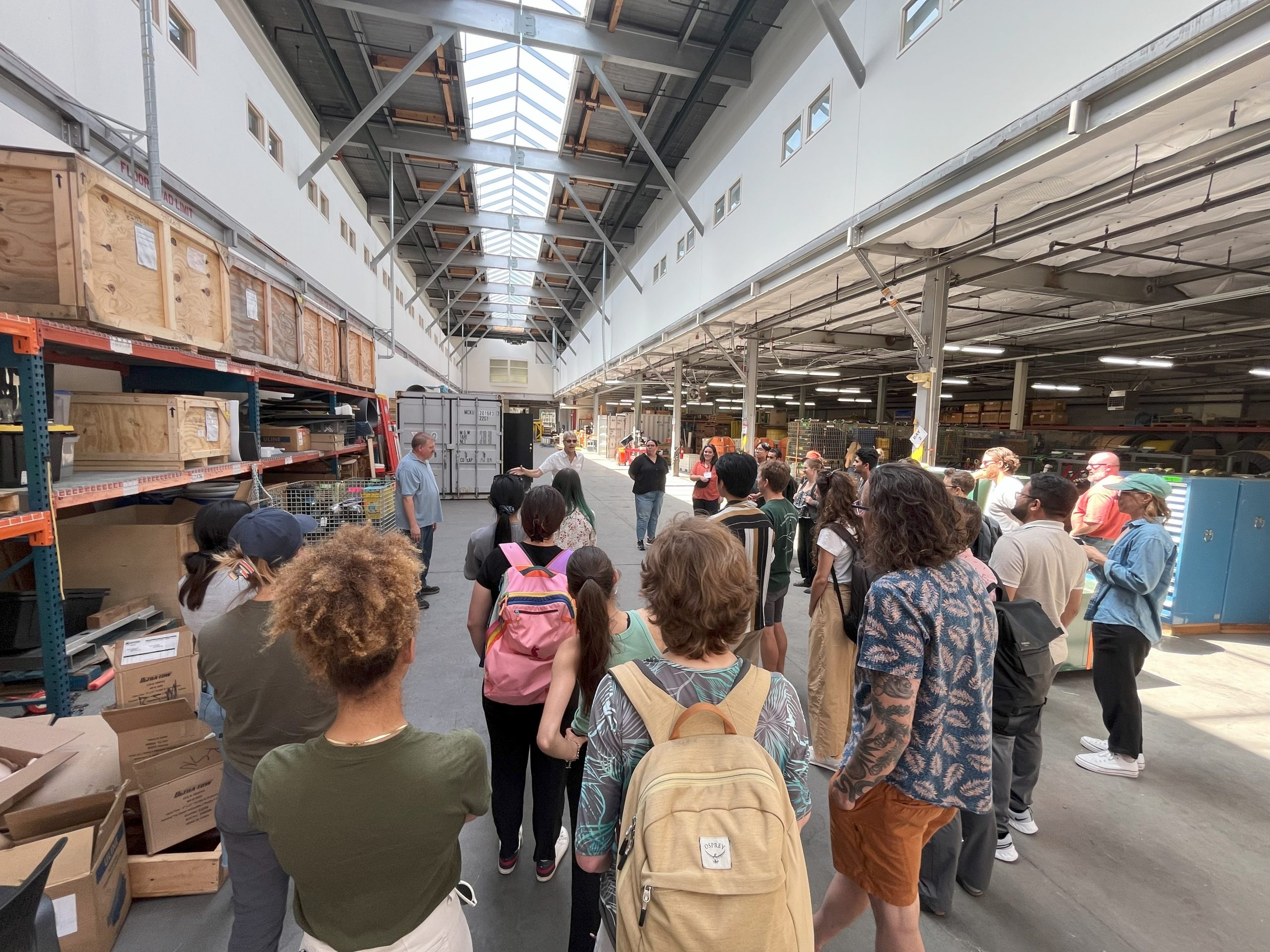 Participants tour the OOI-RCA Sand Point Facility. Credit: Holly Morin, OOIFB[/caption]


Kamchatka M8.8 Earthquake and Tsunami’s Reach Across the Pacific to NSF’s OOI Regional Cabled Array
Deborah Kelley1, Joe Duprey1, Wendi Ruef 1, and W. Chadwick2
1University of Washington, 1Oregon State University
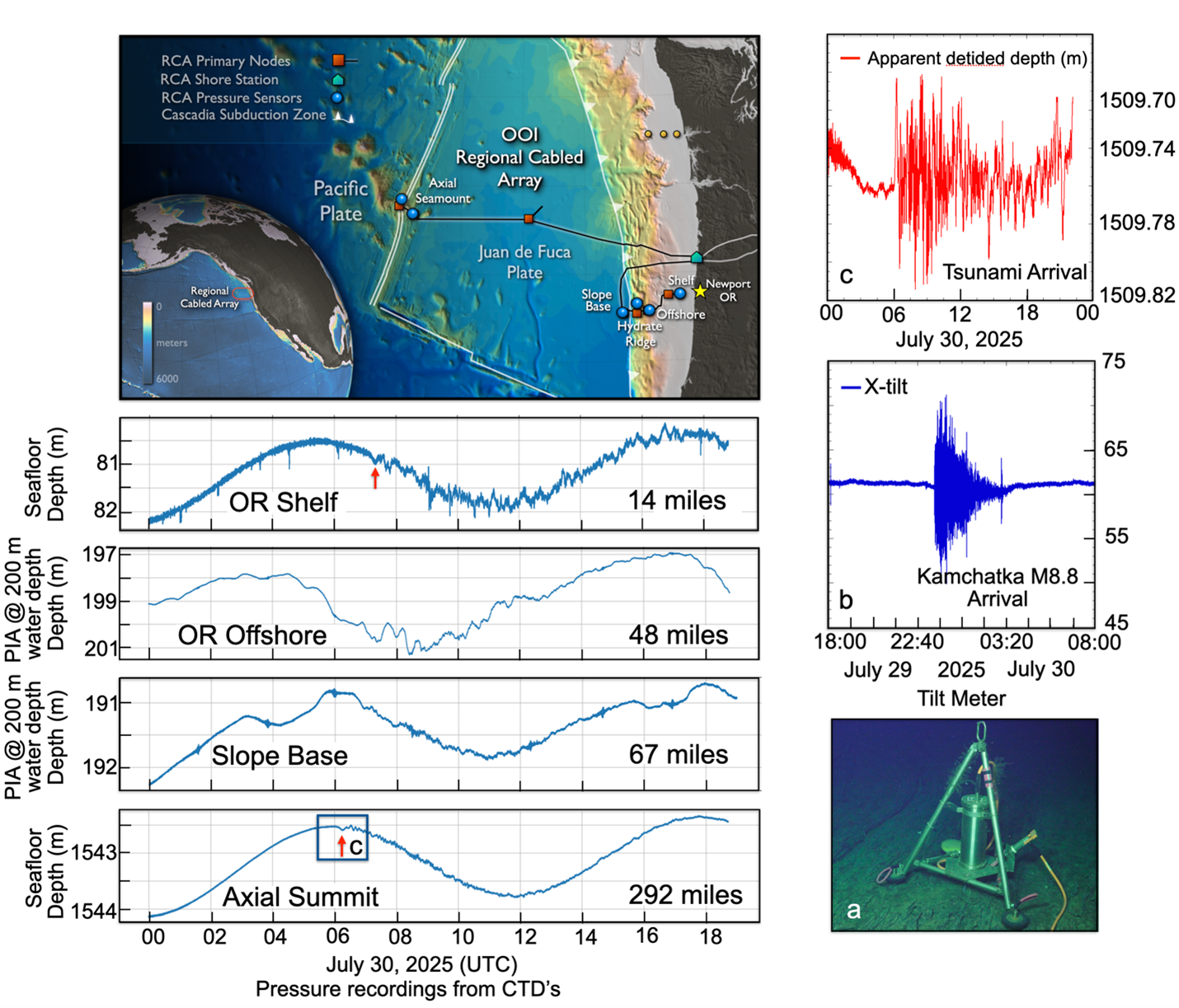
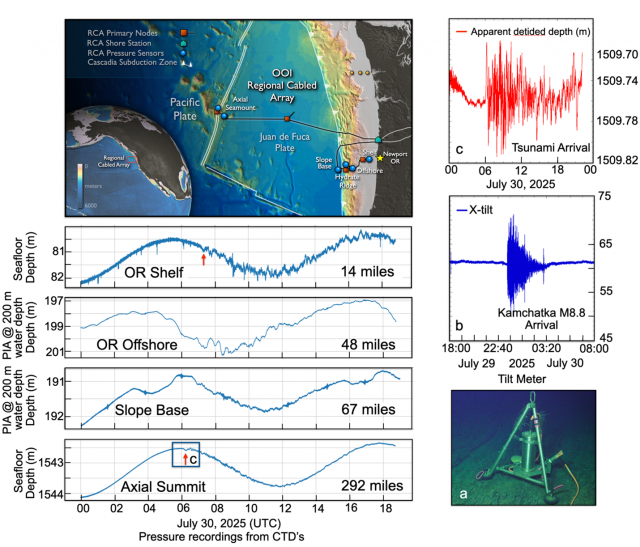
On July 29 at 23:24:52 UTC, a powerful magnitude 8.8 earthquake struck the Kamchatka Peninsula in Russia, unleashing seismic energy and a tsunami that surged across the Pacific Ocean. This extraordinary event was captured in remarkable detail by the NSF Ocean Observatories Initiative’s (OOI) Regional Cabled Array—a seafloor observatory located offshore Oregon and Washington and one of the world’s most advanced underwater monitoring networks, with over 150 instruments transmitting real-time data to shore at the speed of light.
At 23:33:15, the seismic waves from the Kamchatka earthquake reached Axial Seamount, located nearly 300 miles west of the Oregon coast and almost a mile beneath the ocean’s surface, having crossed the entire Pacific in just nine minutes. The vibrations were so intense they rattled a seafloor instrument continuously for over four hours (a,b).
Then, at 06:03:00 UTC on July 30—6 hours and 30 minutes after the quake—the first tsunami waves arrived at Axial Seamount (c). Ultra-sensitive pressure sensor on bottom pressure tilt instruments picked up the waves with astonishing clarity. Lower-resolution sensors across the array also tracked the tsunami’s journey toward the UW west coast. Racing at speeds of 270 miles per hour, the first wave swept across the Juan de Fuca Plate and over the Cascadia Subduction Zone, eventually reaching seafloor monitoring instruments at the Oregon Shelf site just 14 miles offshore from Newport, Oregon. The OOI Regional Cabled Array instruments showed that the Pacific Ocean reverberated with smaller waves for several days after the first tsunami waves arrived—echoes of one of the most powerful seismic events ever recorded.
This event highlights not only the dynamic nature of our planet and the seismic and tsunami hazards that we have to be prepared for in the Pacific Northwest, but also the incredible capability of modern science to observe and understand these kinds of events—in real time from deep beneath the ocean’s surface, and the value of such monitoring to coastal communities.
The audio, captured by hydrophones at Axial Seamount, reveals the moment the M8.8 earthquake arrived:
[audio mp3="https://oceanobservatories.org/wp-content/uploads/2025/08/kamchatka_Axial_Arrival.mp3"][/audio] Read MoreCall for Applications: OOIFB Data Systems Committee
The Data Systems Committee (DSC) of the Ocean Observatories Initiative Facility Board (OOIFB) was established to help ensure timely and reliable access to high-quality U.S. National Science Foundation (NSF) Ocean Observatories Initiative (OOI) data. The Committee evaluates and recommends improvements to the data services, policies, and practices of the NSF OOI Facility that will lead to more efficient and effective scientific use of NSF OOI data.
The DSC is now soliciting applications to fill one open position. This 3-year appointment will begin in October 2025. The selected individual will be eligible to serve a second 3-year term, if fitting.
The DSC holds one web conference each month and at least one in-person meeting per year. Some objectives of the DSC include:
● Keeping abreast of the current state of the NSF OOI cyberinfrastructure and data services with the goal of helping to promote maximum scientific use of NSF OOI data. These efforts will be informed by the FAIR Guiding Principles for scientific data management and stewardship, such that data are: a) Findable, b) Accessible, c) Interoperable, and d) Reusable.
● Encouraging the use of best practices, standards, and naming conventions established by the oceanographic community.
● Engaging with the user community to gauge user needs in regard to NSF OOI data systems, and to facilitate the promotion of a positive user experience.
● Staying current on potential new modes of data service and access, data analysis methodologies, and related technologies that facilitate the use of NSF OOI data.
● Engaging with members of the NSF OOI Program regarding the priorities and plans of the NSF OOI cyberinfrastructure groups.
● Making recommendations for data products, usage metrics, and improving the user experience on the OOI Data Explorer, as well as other data service systems employed by the NSF OOI.
Scientists with interests and/or experience using scientific observing systems such as the NSF OOI, as well as those with experience in successfully delivering data from large-scale multi-sensor observing systems to scientific users are encouraged to apply. Familiarity/expertise with biogeochemistry datasets is preferred but not required. All applications will be considered. Interested applicants should submit a letter of interest and accompanying CV to Holly Morin, at the OOIFB Administrative Support Office (holly@ooifb.org), no later than September 16, 2025. The statement of interest should highlight the applicant’s experience with NSF OOI data services and/or with other similar data services. Applicants might also include a vision for how these experiences might evolve in the future. For more information about the DSC and its activities, please visit the OOIFB website (http://ooifb.org), or contact Jim Potemra, DSC Chair (jimp@hawaii.edu).
Read MoreSAR Imagery Detects Atmospheric Stratification
(Adapted from Stopa et al., 2024)
There is interest in using satellite-based Synthetic Aperture Radar (SAR) imagery to assess phenomena related to atmospheric boundary layer stratification over the ocean. Obtaining such information with high spatial and temporal resolution would advance boundary layer research and would be beneficial to the development of offshore wind energy. However, monitoring marine boundary layer structure remotely is a challenge. A recent paper by Stopa et al. (2024) shows that it is possible to utilize SAR imagery, in conjunction with in-situ meteorology, to characterize boundary layer stratification.
The Central Surface Mooring (CNSM) of the OOI Pioneer New England Shelf Array is located near a region of offshore wind development where SAR imagery is also available. The authors use wind speed, air temperature, and sea surface temperature from the CNSM buoy to estimate the bulk Richardson number (Ri), a measure of marine atmospheric boundary layer stability. OOI quality control flags were used to identify good data, and suspect data were replaced with data from redundant sensors. CNSM data from 2014 – 2021 were used in the analysis.
SAR data are commonly used to provide wind speed estimates, but the images also contain rich information about coherent structures in the atmosphere, and those structures correspond to boundary layer stratification regimes (Stopa et al., 2022). The Stopa et al., (2024) study used European Space Agency Sentinel-1 C-band SAR wave mode (S1 WV) imagery spanning the region of the NES Pioneer Array. SAR Images in 20 x 20 km regions were visually examined and classified based on observed “signatures” of atmospheric phenomena. Of particular interest for this study were signatures indicative of waves, rolls/streaks and convection (Table 1).
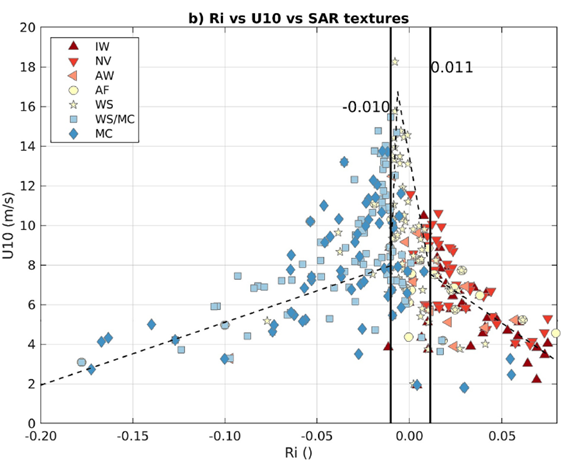
The relationship of SAR image classes to wind speed and atmospheric stability was examined by plotting the classified data set vs Ri and U10 (Figure 1). U10 shows a change in slope near neutral stratification (Ri = 0) with indications of a Ri-U10 relationship at higher and lower Ri. Of interest is the appearance of Ri boundaries denoting transitions between unstable (Ri < -0.01), neutral, and stable (Ri > 0.01) regimes. Rolls, streaks and convection dominate the unstable regime, while waves dominate the stable regime. In other words, classification of the SAR images provides information about atmospheric stratification.
This project shows the power of combining remote sensing with long-term, in-situ meteorological measurements to gain insights that neither could provide alone. The authors note that when satellite data are available, the SAR-based determination of boundary layer structure can be used over broad areas and long times, and is more efficient than direct measurements such as buoy-based LIDAR.
Table 1: Atmospheric signatures in SAR imagery
| Class | Phenomena |
| NV | Lack of rolls or cells |
| AW | Atmospheric gravity waves |
| IW | Oceanic internal gravity waves |
| WS | Rolls or wind streaks |
| MC | Microscale convection |
| WS/MC | Combined WS/MC |
Figure 1. SAR image classes shown as different symbols) vs. Richardson number (Ri) and ten meter wind speed (U10). Note the regime transitions near Ri = -0.01 and +0.01. From Stopa et al., 2024.[/caption]
___________________
References:
Stopa, J.E., C. Wang, D. Vandemark, R.C. Foster, A. Mouche, and B. Chapron, (2022). Automated Global Classification of Surface Layer Stratification Using High-Resolution Sea Surface Roughness Measurements by Satellite Synthetic Aperture Radar,” Geophysical Research Letters 49(12), e2022GL098686.
Stopa, J.E., D. Vandemark, R. Foster, M. Emond, A. Mouche, and B. Chapron (2024). Characterizing the Atmospheric Boundary Layer for Offshore Wind Energy Using Synthetic Aperture Radar Imagery. Wind Energy, 27:1340–1352, https://doi.org/10.1002/we.2933.
Read MoreGap-Filled Dissolved Oxygen Data from the Ocean Observatories Initiative Endurance Array Inshore Moorings
Brandy Cervantes contributed the dataset described below to Zenodo. This dataset now appears in the OOI Community Datasets under the OOI home page.
The National Science Foundation Ocean Observatories Initiative (OOI) collects continuous in-situ measurements of dissolved oxygen (DO) on the Endurance Array moorings in the inner shelf region of the Oregon and Washington coasts. Aanderaa Optode 4831 oxygen sensors were deployed at 7 meters depth on the near surface instrument frame (NSIF) and on the collocated coastal surface piercing profiler (CSPP) moorings. The sensors suffer from calibration drift due to biofouling, which can cause a dramatic increase in DO during daylight hours and corresponding decrease at night compared to the conditions in the water column. This enhanced diel signal, when present, is much more pronounced on fixed-depth sensors and usually begins to occur 1-2 months after a mooring is deployed. After this biofouling issue was identified, OOI began deploying UV lamps adjacent to the oxygen sensor in spring 2018, after which there was substantial improvement in DO data quality. Each file in this dataset contains the measured near surface DO and the corrected near surface DO at the Oregon and Washington inner shelf surface moorings (ISSM) with gaps from periods of biofouling replaced with the DO measured by the CSPP.
___________________
References:
Cervantes, B. (2025). Gap-Filled Dissolved Oxygen Data from the Ocean Observatories Initiative Endurance Array Inshore Moorings [Data set]. Zenodo. https://doi.org/10.5281/zenodo.15742508
Read MoreUnprecedented Imaging of an Upwelling Event: RCA Slope Base Shallow Profiler Mooring
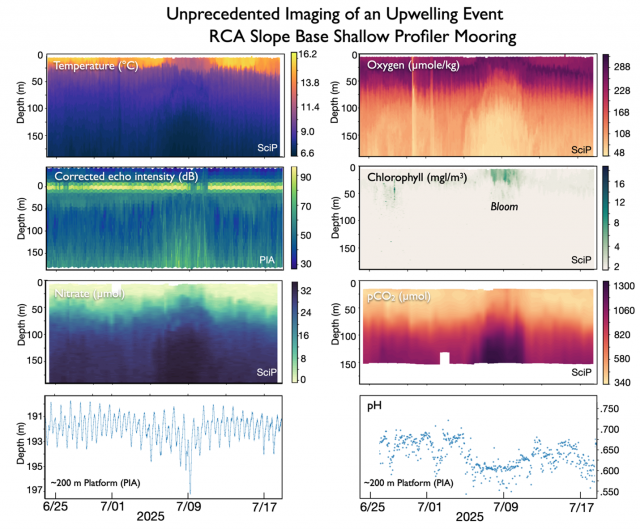
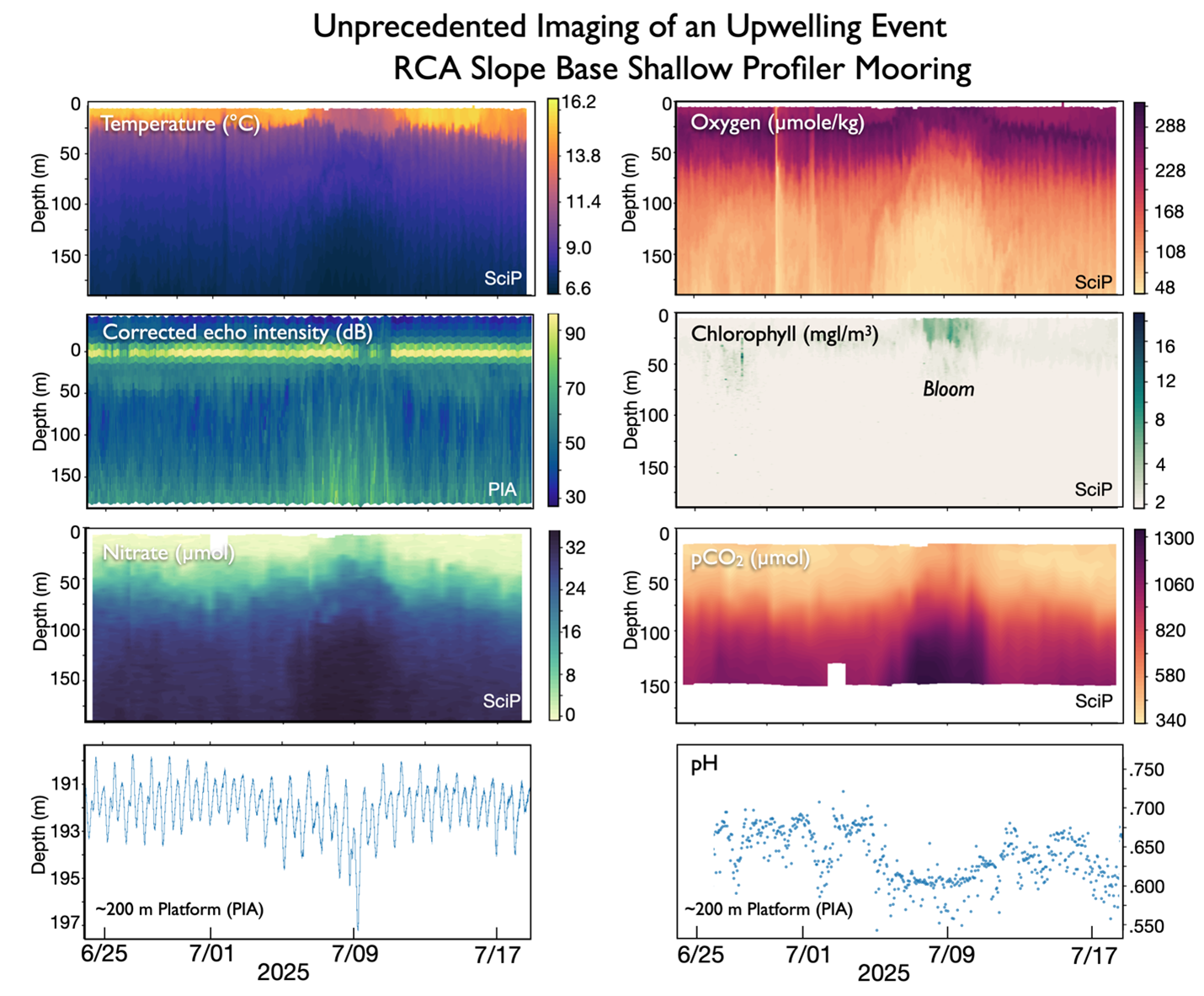
Co-registered instruments on the Slope Base Shallow Profiler Mooring, located 108 km offshore Newport, Oregon, yield unprecedented high resolution imagery of a possible short-lived upwelling event and resultant bloom, ~July 5-13, 2025. The above plots from live streaming data from sensors on the stationary platform interface assembly (PIA) located at ~ 200 m water depth (150 kHz ADCP, CTD-O2, and pH), and on an instrumented winched science pod (SciP)(CTD-O2, nitrate, pCO2, 3 wavelength fluorometer), which traverses 9 times a day from ~ 200 m to ~ 5 m beneath the ocean’s surface, highlight the arrival of cold, nutrient-rich water to the surface layers, coinciding with elevated chlorophyll-A concentrations and increased echo intensity in the ADCP data, as well as increased pCO2 and decreased dissolved oxygen concentrations at depth. These trends are coincident with a decrease in temperature, conductivity, dissolved oxygen concentrations, and pH on the PIA. In contrast to the SciP chlorophyll profile, which indicate a bloom in the surface waters above 50 meters, the PIA chlorophyll-A concentrations show no active blooms in the deeper waters. Interestingly, this event coincides with an increase of sea water pressure as measured at the 200 platform, indicating possible current forcing from the NE (and eddy?) acting to “blow down” the platform by ~ 6 m. Several other blow down events have occurred at the Slope Base and Oregon Offshore sites, the largest of which in the summer of 2019 blew the Slope Base platform nearly 50 m deeper and ~350 m to the west.
Categorizing Science Highlights by OOI Themes

The OOI supports a broad and diverse range of ocean research, covering topics from ocean-atmosphere exchange to coastal ecosystem dynamics to the sub-seafloor biosphere To make this science more accessible and to better communicate the scope of work being conducted, we’ve launched an effort to categorize our Science Highlights using the six core science themes outlined in the Vision for OOI:
These themes are:
- Climate variability, ocean food webs, and biogeochemical cycles
- Ocean-atmosphere exchange
- Coastal ocean dynamics and ecosystems
- Global and plate-scale geodynamics
- Turbulent mixing and biophysical interactions
- Fluid-rock interactions and the sub-seafloor biosphere
We’ve begun tagging Science Highlights with one or more of these themes, laying the groundwork for users to more easily search and browse the collection. This approach not only aligns our science communication with the program’s long-term goals but also highlights how individual studies span multiple themes and contribute to broader scientific questions.
Looking ahead, we plan to extend this thematic tagging structure to peer-reviewed publications that use OOI data. Tagging publications by both their associated array(s) (e.g., Endurance Array, Pioneer Array, Regional Cabled Array) and science theme(s) will enable more flexible and targeted exploration of the literature. Users will be able to filter outputs by geographic location and thematic focus, making it easier to discover relevant work.
This effort is part of a broader initiative to enhance the organization, accessibility, and impact of OOI-supported research. Our goal is to make it easier for all users – scientists, educators, students, and policymakers to find the information most relevant to their work and to understand how OOI data contributes to answering major questions in ocean science.
As we continue this work, we welcome community feedback on how these tools and categories can be refined to best serve the needs of our users.
Read More