Posts Tagged ‘webinar’
IFCB Webinar #2 Highlights: Lessons from Time/Moored-Based IFCB Observations
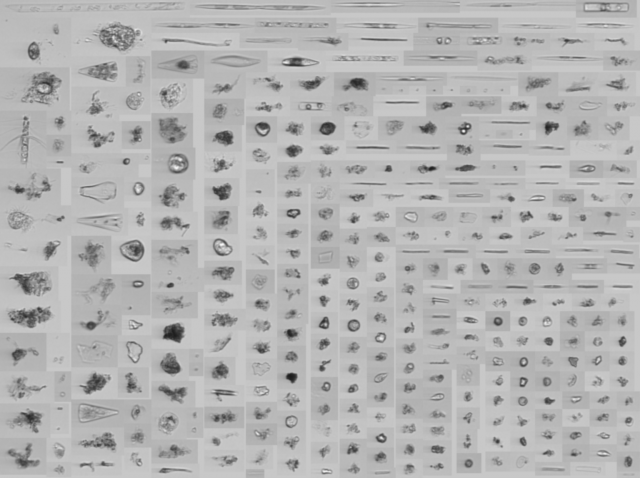
The second webinar in the Ocean Observatories Initiative Facility Board (OOIFB) four-part IFCB webinar series focused on time/moored-based Imaging FlowCytobot (IFCB) deployments and the challenges of operating IFCBs on sustained ocean observing platforms.
The webinar speakers were Kylene Cooley, Woods Hole Oceanographic Institution (WHOI), who leads IFCB operations for the OOI Pioneer Mid-Atlantic Bight (MAB) Array, and Kasia Kenitz, Southern California Coastal Ocean Observing System, who discussed IFCB operations on the Del Mar Mooring in the California IFCB Network. Both shared practical lessons from deploying and maintaining IFCBs in long-term, moored observing systems.
Cooley shared lessons from deploying IFCBs on the Pioneer MAB Array, where the instruments operate for extended periods with limited physical access and satellite communications. She discussed the importance of preparing and testing the IFCB before deployment, including pressure and power testing, instrument burn-in, automatic startup configuration, and coordination with the mooring team. She also described challenges encountered during deployments, including biofouling, power supply issues, instrument alignment, and weather conditions that can limit access to the moorings.
Kenitz described IFCB operations on the Del Mar Mooring, where the instrument is solar-powered and uses cellular communications for near-real-time data transfer and remote monitoring. Increased solar capacity has allowed the IFCB to sample more frequently, moving from every three to four hours to every one to two hours. She also discussed challenges with operating the IFCB alongside other sensors, including mechanical pump noise that can interfere with velocity measurements. Both presentations highlighted the importance of routine cleaning, antifouling measures, remote monitoring, and pre-deployment testing for long-term IFCB deployments.
The remaining webinars in the series will focus on space/ship-based IFCBs and experiments and lab-based studies. To learn more, view webinar recordings, and find upcoming dates, visit the OOIFB webpage.
Read MoreIFCB Webinar #1 Highlights: Building Community and Best Practices for Ocean Observations
The first IFCB webinar in a new community-driven series brought together researchers and operators to share knowledge, practical guidance, and future plans for Imaging FlowCytobot (IFCB) applications.
The webinar series, hosted by the Ocean Observatories Initiative Facilities Board (OOIFB), was inspired by a 2025 IFCB focus group and aims to strengthen collaboration around IFCB and Ocean Observatories Initiative (OOI) images and data products (access links here). Organizers outlined plans for future sessions, including topics such as moored IFCB deployments and applications on the OOI Pioneer Array, as well as the development of teaching resources and a community manuscript.
The focus of the first webinar was best practices for IFCB operation and deployment. The speakers emphasized that successful use begins with thorough training and hands-on experience in laboratory settings. From there, considerations expand to include water delivery systems, power and communication integration, and consistent system monitoring, especially for shore-side, shipboard, and offshore mooring deployments. Post-deployment care, including data backup, system checks, and routine maintenance, was highlighted as essential for long-term instrument performance.
Tom Fougere of McLane Research Laboratories emphasized the importance of reliable infrastructure (especially water flow, power stability, and communications) for shipboard and shore-based IFCB operations, while Dr. Sophie Clayton of the National Oceanography Centre (NOC) highlighted a best practices guide from the Operational Phytoplankton Observations Working Group addressing key challenges in phytoplankton imaging, including metadata standards, data management, uncertainty, and instrument diagnostics. Together, these perspectives reinforced that robust metadata capture, standardized workflows, and proactive maintenance are essential for producing high-quality datasets, alongside careful attention to calibration, system cleaning, and sampling strategies in low-density environments.
To learn more and view upcoming topics and dates for the next IFCB webinars, visit the OOIFB webpage.
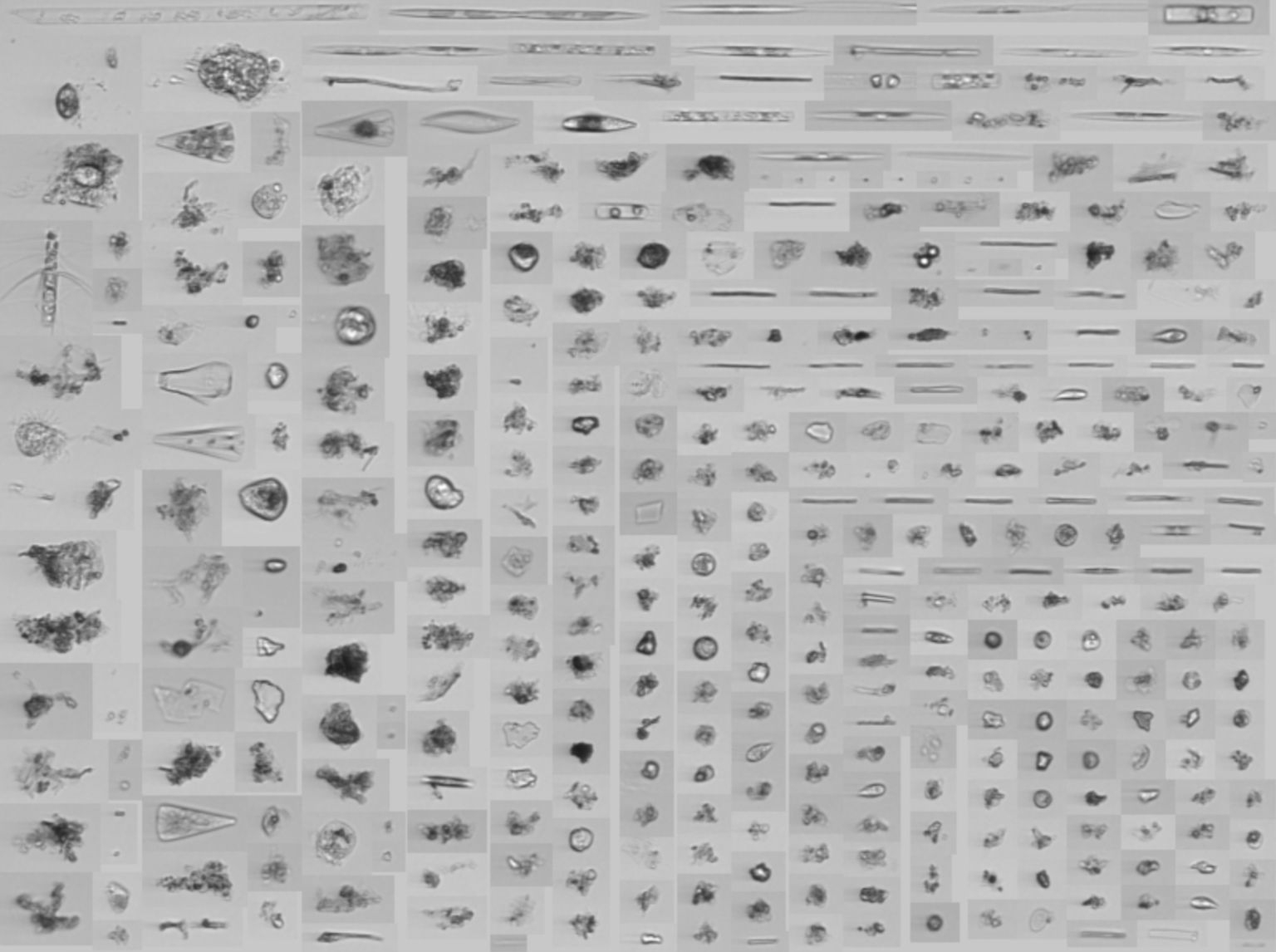
CGSN Infrastructure and Operations Webinar
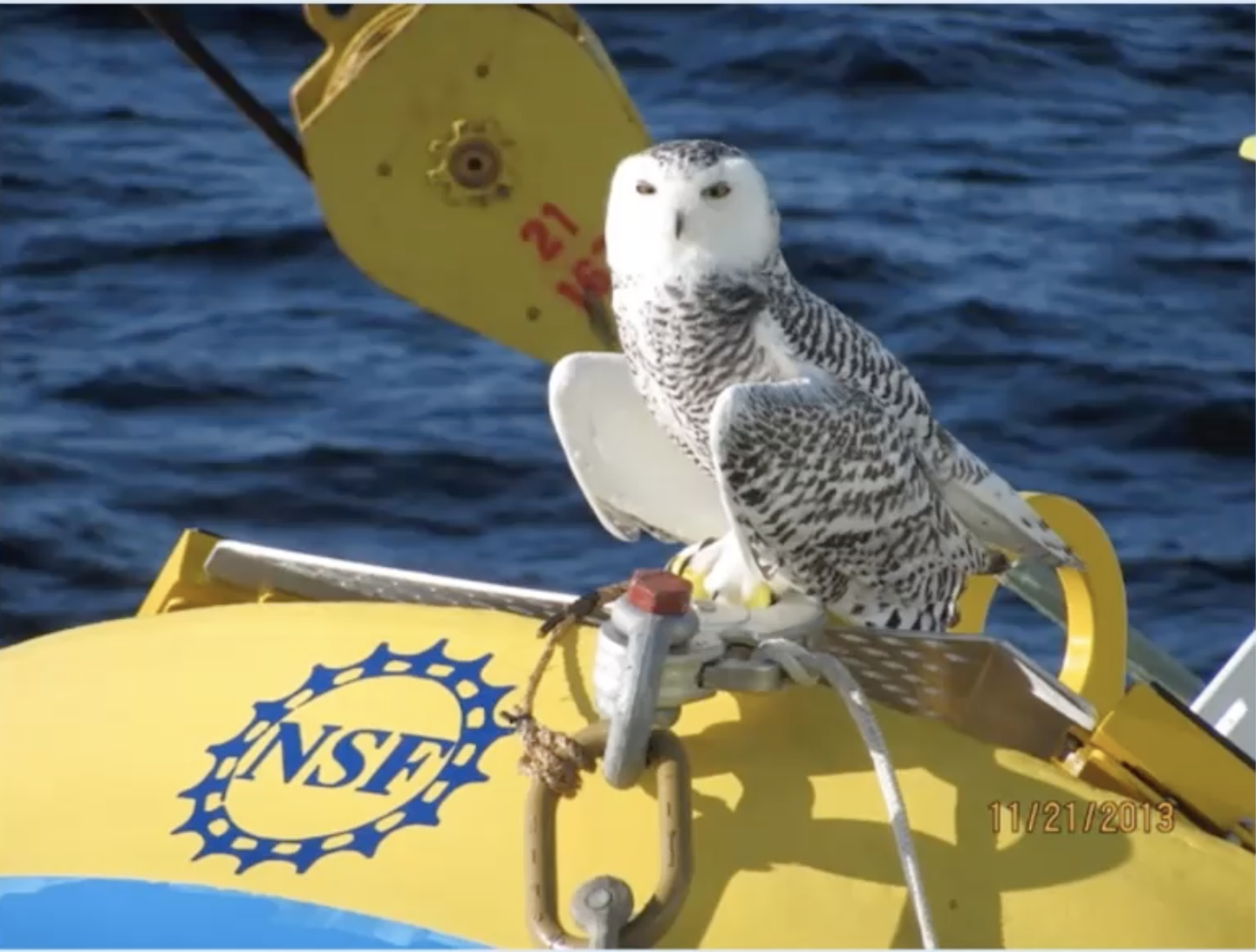
In case you missed it, here’s another chance to join the leaders of the Coastal and Global Scale Node (CGSN) team to hear them describe the infrastructure making up the CGSN arrays, the current status of deployment, and how researchers and educators can get involved with the OOI.
[embed]https://vimeo.com/607455613[/embed] Read More
CGSN Webinar 15 September
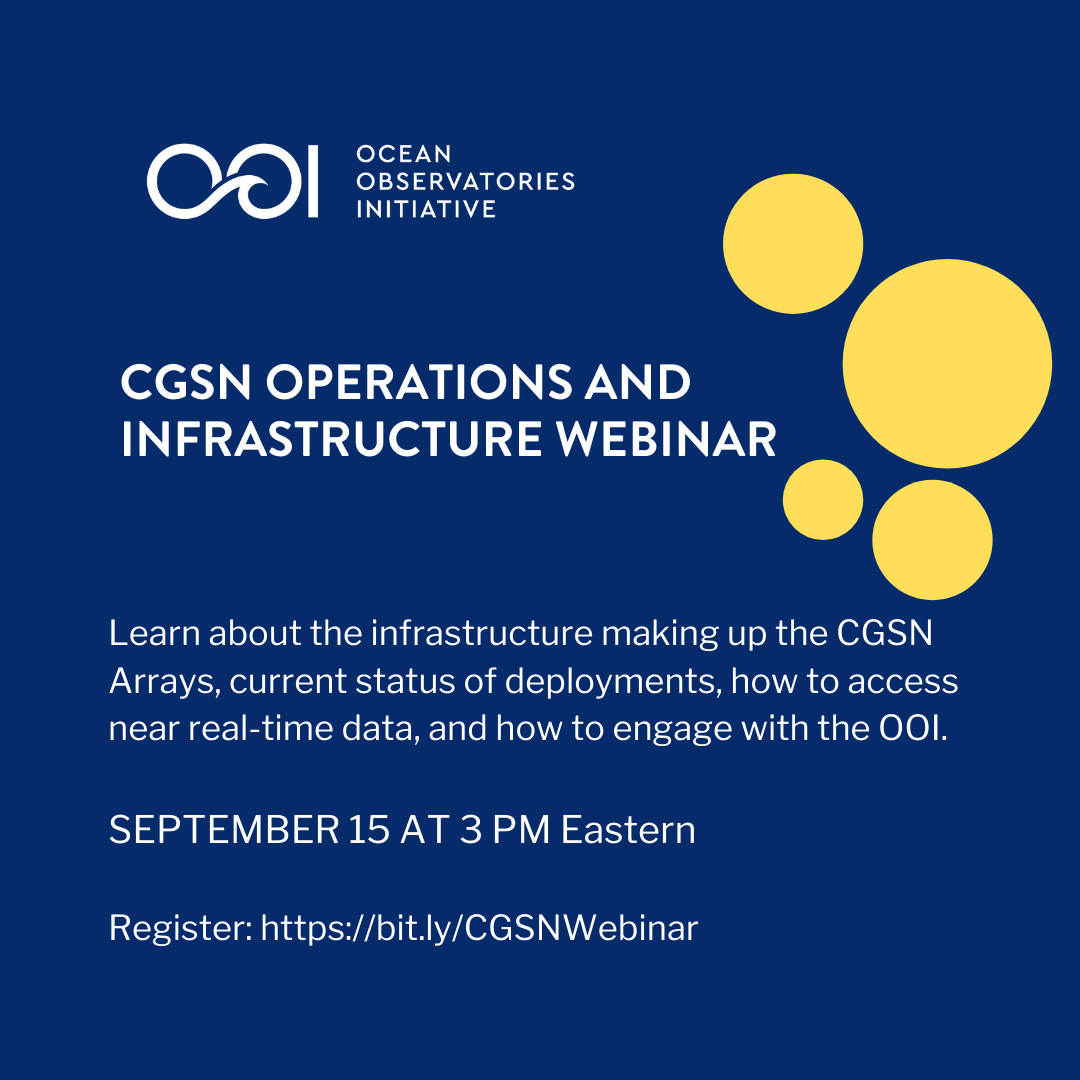
An informational webinar on the OOI Coastal and Global Scale Nodes (CGSN) will be presented on 15 September 2021 from 3:00-4:00 pm EDT. A presentation by the CGSN Team will be followed by a Q&A session.
Topics covered will include infrastructure making up the CGSN Arrays (Coastal Pioneer, Global Irminger Sea, and Global Station Papa), the current status of deployments, how to access near real-time data, and how to engage with the OOI.
Register here so you don’t miss out on the opportunity to meet the OOI CGSN Team and learn how you can work together.
Read More
Coastal Endurance Array Dissolved Oxygen Webinar Online
If you missed the 16 September 2020 Coastal Endurance Array’s webinar on dissolved oxygen, you can view it below. It’s an easily digestible webinar series in four short sections, detailing the Coastal Endurance Array’s dissolved oxygen data, how they are collected, and what is being learned from this collection of five+ years of data.
https://youtu.be/NlfPH8X5Vy8
https://youtu.be/2uJYzthlvJs
https://youtu.be/aus7eaDlNtE
https://youtu.be/s7f_6rdBf2w
Read MoreOcean Data Labs Webinar 16 September
On 16 September at 4 pm Eastern, Ocean Data Labs will kick off it fall webinar series: Ocean Data Labs Plus, a webinar series for Community College and University Professors teaching oceanography or geosciences courses. The series opener will be “New You Can Use,” hosted by the OOI Data Labs Project Team and special guests.
The webinar will explore how the Data Labs Project can support your efforts to introduce big data into your undergraduate courses. Join the Team to find out about newly-developed interactive online data-focused activities that are grounded in learning science – and consider how to effectively incorporate them into your courses. Check out the Ocean Data Lab’s online collection of data explorations and data nuggets in advance, and bring your questions and ideas. Each webinar will last about 60-75 minutes and is meant to be more of an interactive discussion.
Register: https://rutgers.zoom.us/meeting/register/tJApfuGoqjItGtbfEBMLQFf9MNkZTDCVGUdp
Read More