News
Early Career Highlight – Veronica Tamsitt – Taking hold of opportunities in the Southern Ocean
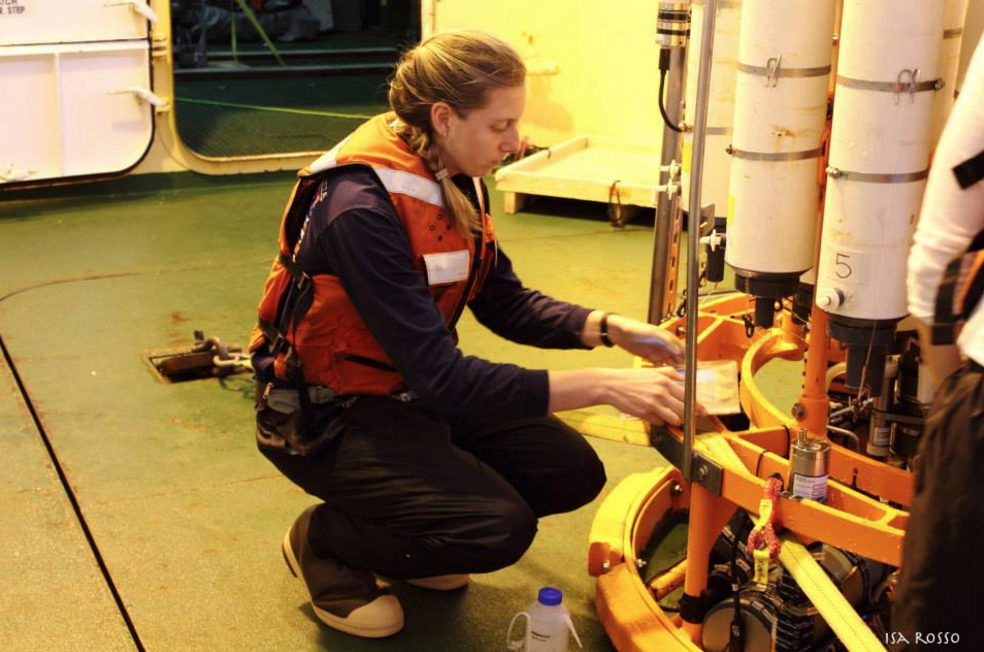
To Tamsitt, the OOI is a game changer in the Southern Ocean. “In the air-sea flux community, there are almost no measurements in the Southern Ocean except from ships,” says Tamsitt. “The OOI Surface Mooring is the southernmost mooring ever deployed.
Read MoreSuccessful Science Platform and Gear Recovery
Re-post from the Oregon Fishermen’s Cable Committee –
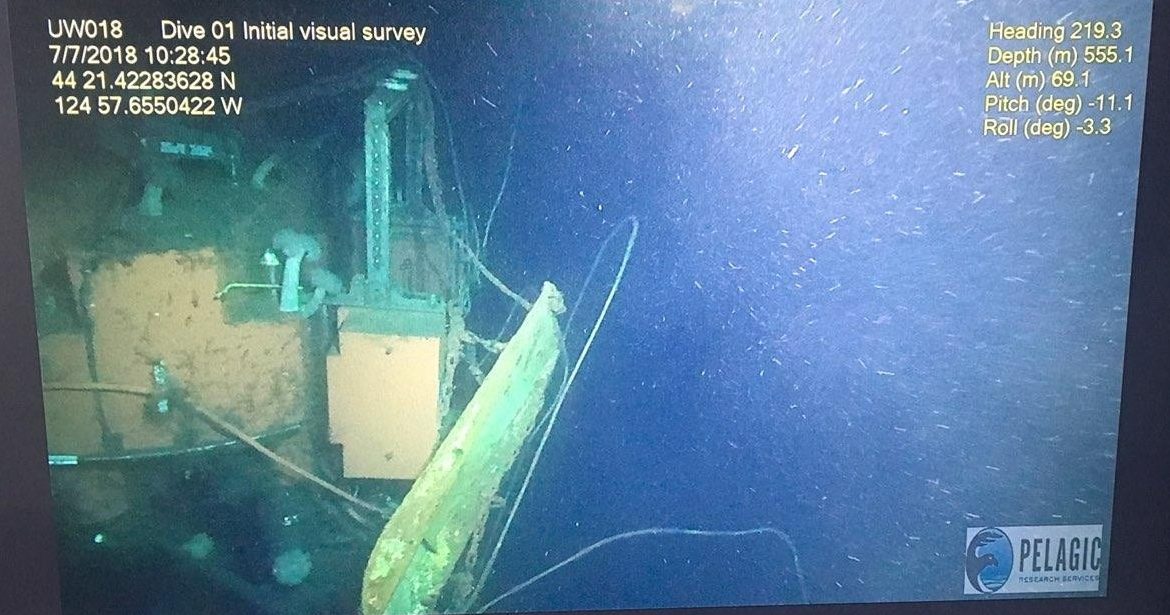
On July 7th the RV Bold Horizon, using a small Remote Operated Vehicle (ROV), successfully recovered fishing gear and the sub-surface platform the gear was fouled on. The science platform, part of the Ocean Observatories Initiative, was struck by trawl gear on September 16, 2017, disabling the platform and the shallow-water profiler that was onboard. Pelagic Research Services, which was contracted to recover the platform and gear, found the platform and a trawl door about 38 fms off the bottom in 304 fms of water. OFCC Board member and fisherman Gary Wintersteen assisted with the recovery. Photos courtesy of Gary Wintersteen. More photos and video are available on the OFCC Facebook page.
Early Career Highlight – Wu-Jung Lee’s journey into ocean sound from dolphins to bats and back to the sea

“One of the reasons I first got interested in the OOI data was because it is free and available to the public,” says Lee. “Once I started working with the data, I realized just how special it was. I spent all of my time for several months on the OOI echosounder data.”
Read MoreFrom the OOIFB – DDCI Membership Applications NOW OPEN
Applications for membership on the OOIFB Data Dissemination and Cyber Infrastructure Committee are being accepted until August 30, 2018.
Read MoreEarly Career Highlight – Cassandra Alexander – Oceanographic research experiences at a landlocked undergraduate teaching university
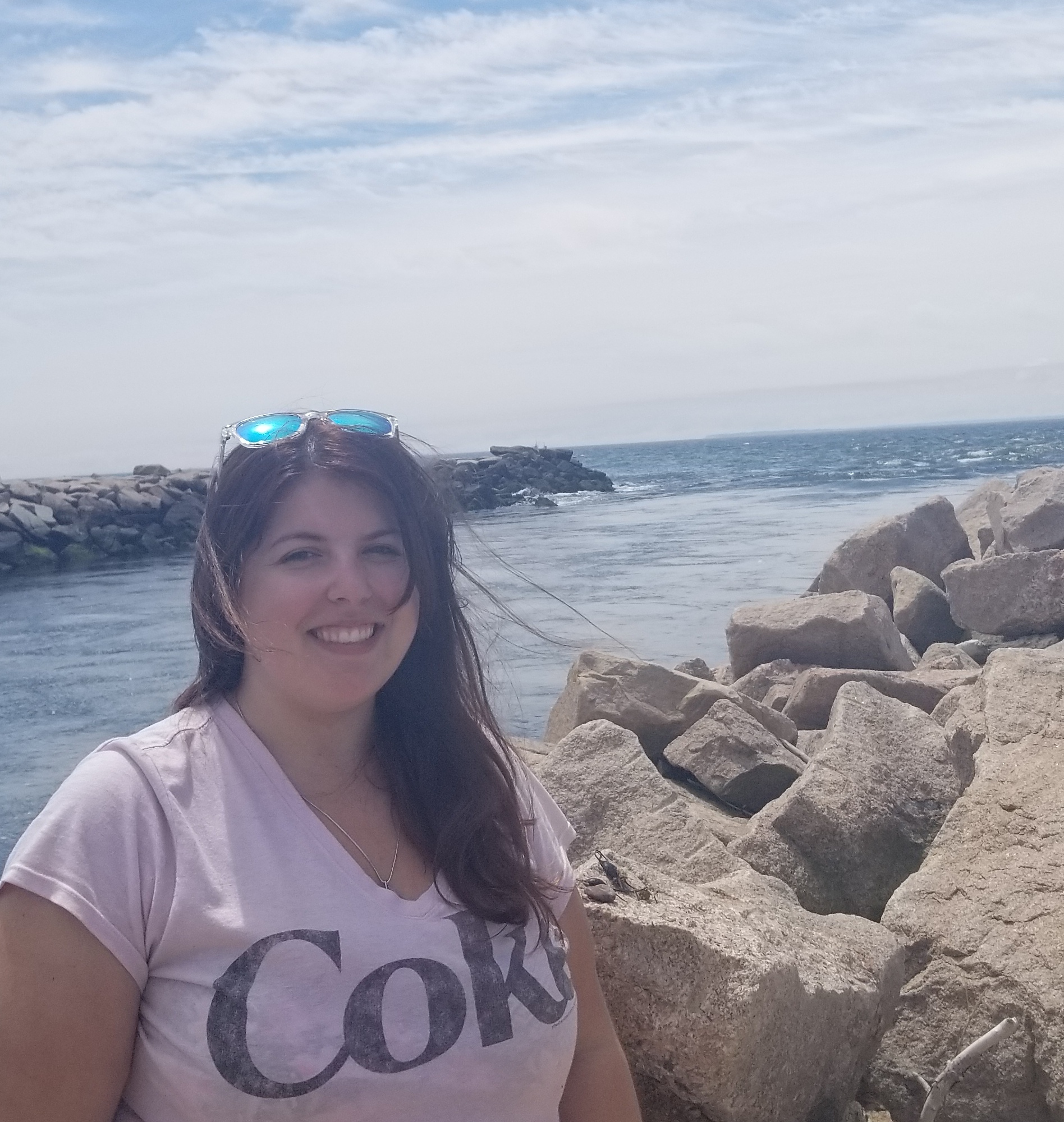
“The Ocean Observatories Initiative really opens it up for students to be able to do a lot of different things with the ocean data,” says Alexander. “As long as you can think of it, you can explore it.”
Read MoreEarly Career Highlight – Kanieka Neal – From Maryland to Massachusetts, pushing her chemistry comfort zone
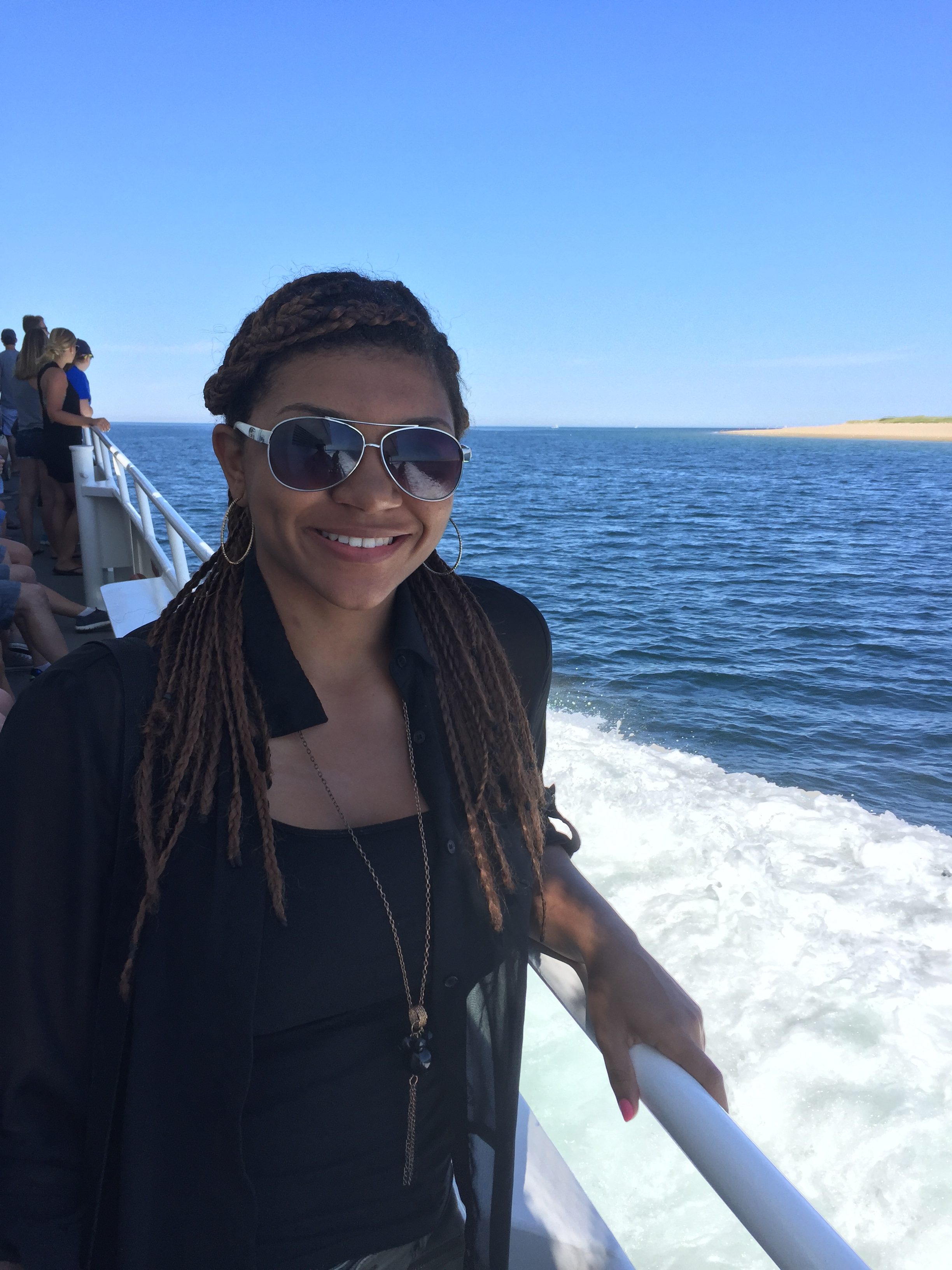
“The OOI is a great resource for students,” says Neal. “It’s not too time consuming, comes right to your inbox, and is very organized so I could pick it up really quickly. It’s amazing that the data are right at your fingertips; you can just go in and get it.”
Read MoreEarly Career Highlight – Brendan Philip – From a life on the sea surface to exploration of the seafloor
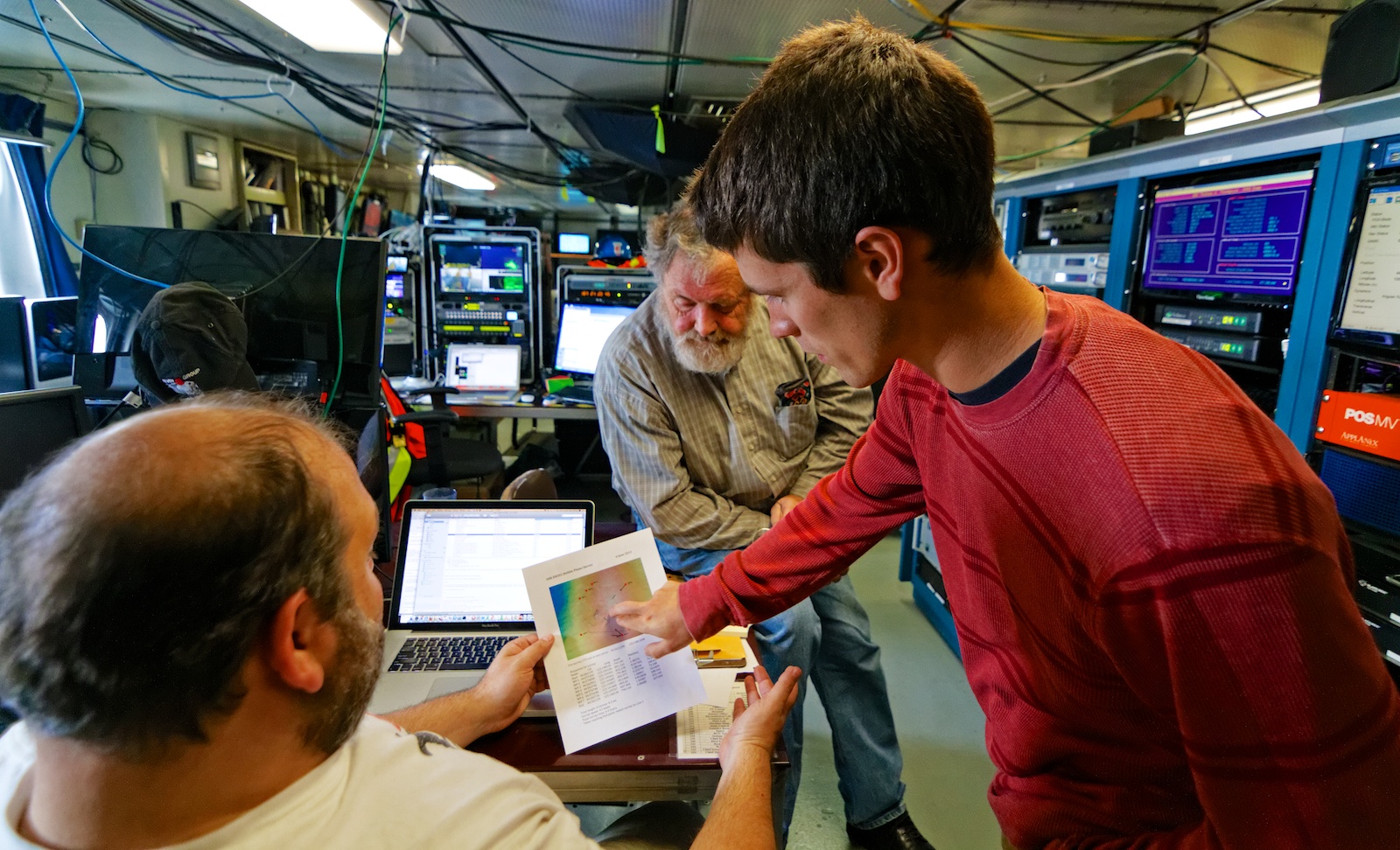
“It’s a 25-year program and you have committed to sailing every year to service your arrays,” says Philip, “that is a tremendous opportunity for students and researchers on board to do research that leverages the OOI instrumentation. The OOI is more than just data streaming to shore, it is also about the additional science you can do while you are out there.”
Read MoreEarly Career Highlight – Hilary Palevsky and the Irminger Sea Biological Pump
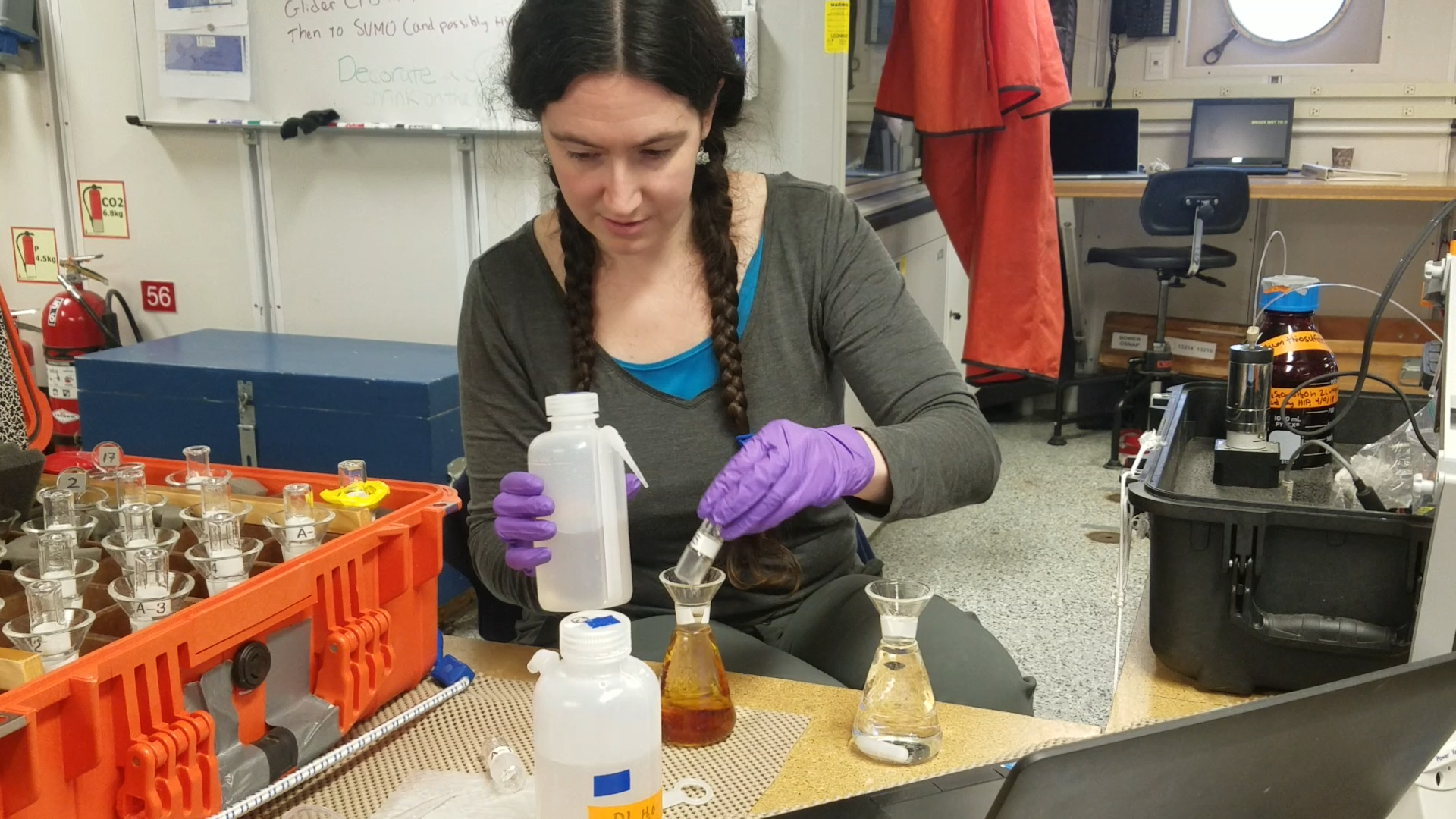
“I wanted to study the ocean’s role in climate and how it takes carbon out of the atmosphere,” says Palevsky. “My goal was to look at the balance between biological, physical, and chemical processes and how they allow the ocean to take up carbon.”
Read MoreVisions 18 Cruise Underway
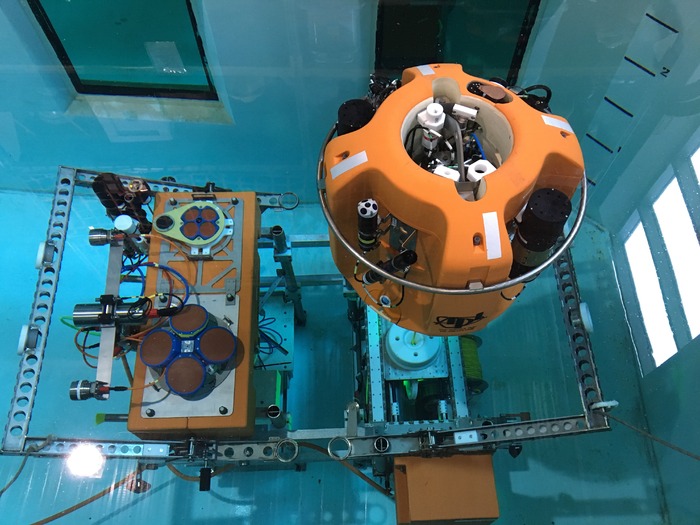
On June 19th, the R/V Roger Revelle departed Newport, OR to begin VISIONS’18, a 47-day expedition to replace and maintain elements of the Cabled Array off the coasts of Oregon and Washington as well as to add some novel sensors.
Read MoreJoin Us at the OOI Deep Ocean Observing Workshop

On August 27-29, 2018, an Ocean Observatories Initiative (OOI) Deep Ocean Observing Workshop will be held in Seattle, WA.
This workshop will provide an interdisciplinary forum to develop deep ocean science questions and identify societal needs that could be addressed using the existing OOI infrastructure. The workshop will provide an opportunity for participants to gather detailed information about OOI infrastructure, data availability, and discuss existing and prospective Essential Ocean Variables that deep-water observatories can address. Particular attention will be paid to the capabilities and utility of the OOI Regional Cabled Array. Two days of presentations and breakout groups will be followed by one day for drafting concepts and project outlines.
Expected workshop outcomes may include identification of new cabled and stand-alone instrumentation and platforms needed to address Deep Ocean Observing Strategy goals and opportunities to leverage other regional ocean observing assets (e.g., the US Integrated Ocean Observing System – Northwest Association of Networked Ocean Observing Systems, Oceans Network Canada). Lessons learned from the experience of developing these assets could be discussed. This workshop will help build and expand the deep-ocean user community interested in the NE Pacific.
[button link="https://goo.gl/forms/UfDCXlmgpgBezdoQ2"]Click here to express your interest[/button]
More information is available on the OOI website.
Some travel support may be available.
Read More