News
Community Tools available on the OOI website to examine the Axial Volcano
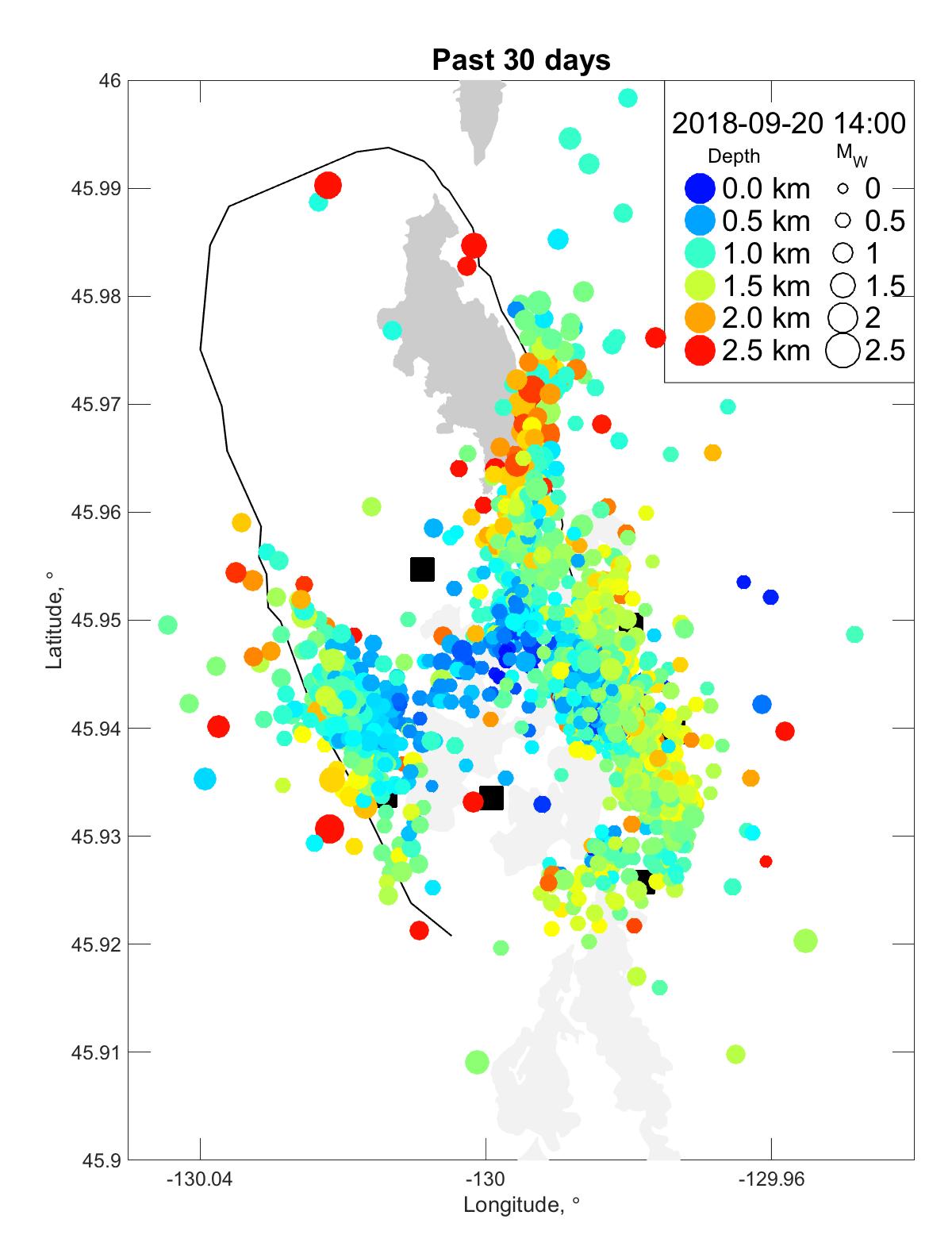
A suite of community generated tools are now available to explore the Axial Seamount. These include a new Inflation Threshold Forecast web page created by Dr. Chadwick (Oregon State University and NOAA/PMEL) and Andy Lau (Oregon State University/CIMRS) and the Axial Seamount Earthquake Catalog created by Dr. William Wilcock (University of Washington).
Read MoreNew OOI Video – Access the Ocean
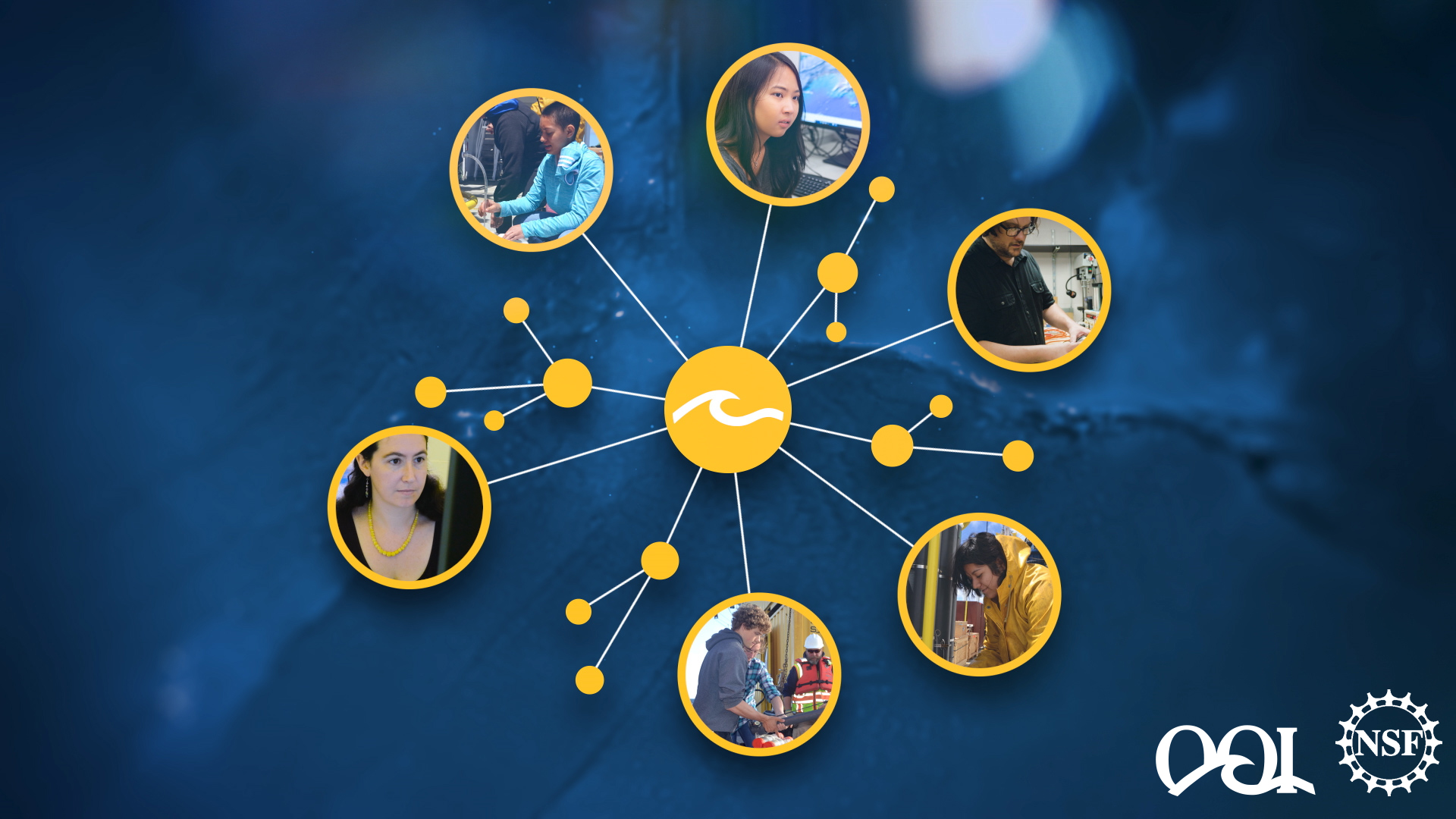
Learn more about using OOI data for free in your research and engaging with the OOI.
Read MoreNSF Awards Contract to WHOI to Lead OOI Program Management
The National Science Foundation (NSF) announced that it has awarded a coalition of academic and oceanographic research organizations a five-year contract to operate and maintain the Ocean Observatories Initiative (OOI). The coalition, led by the Woods Hole Oceanographic Institution (WHOI), with direction from the NSF and guidance from the OOI Facilities Board, will include the University of Washington (UW), Oregon State University (OSU), and Rutgers, The State University of New Jersey.
For more information please see the WHOI Press Release.
The OOI officially launched in 2009, when NSF and the Consortium for Ocean Leadership (COL) signed a cooperative agreement to support the construction and initial operation of OOI’s cabled, coastal, and global arrays. The launch represented the culmination of work begun decades earlier, when ocean scientists in the 1980s envisioned a collection of outposts in the ocean that would gather data around the clock, in real- and near-real time for years on-end and enhance the scientific community’s ability to observe complex oceanographic processes that occur and evolve over time scales ranging from seconds to decades and spatial scales ranging from inches to miles.
COL has housed the Program Management Office for the OOI from 2009 to present, carrying the program from design, through construction, and into operations with the help of its partners WHOI, UW, OSU, and Rutgers.
In February 2016, the NSF announced that as part of the planned transition from construction to operations it would carry out a re-competition to manage and operate the OOI. COL elected to not compete for the award.
“We have been honored to work with so many dedicated people in bringing this transformational project from the drawing board to the fully operational status that we have today,” said Rear Admiral (Ret.) Jonathan White, president and CEO of COL. “Congratulations to WHOI and their partners on receiving this award and carrying the OOI program forward through its next phase of operation. We are pleased to pass the mantle to these outstanding institutions — that are also COL members — as they take on this great opportunity, and we look forward to the continued scientific advancements from this transformational program in the years ahead.”
For several months, leading up to the official transition on Oct. 1, COL has worked with WHOI to ensure a smooth changeover occurs.
Read MoreEarly Career Highlight – Haley Cabaniss – Studying Oceans and Volcanos in America’s Breadbasket
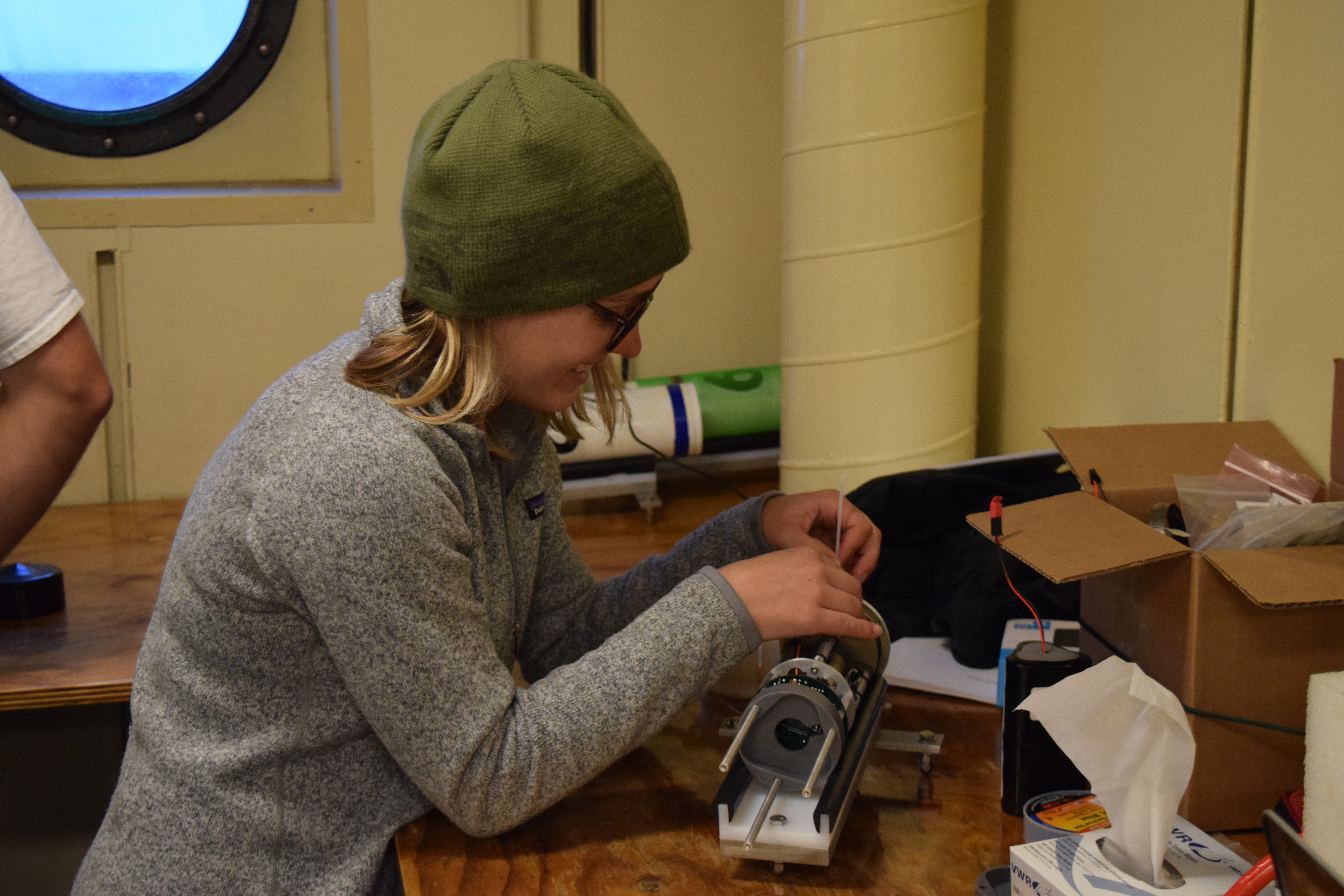
“The thing that makes oceanography accessible in Illinois and any place inland,” says Cabaniss, “is that we have these awesome datasets like the OOI. Anyone anywhere in the world can go online, grab these datasets and start playing with them.”
Read MoreWHOI’s “Life at the Edge” video captures the Pioneer Array
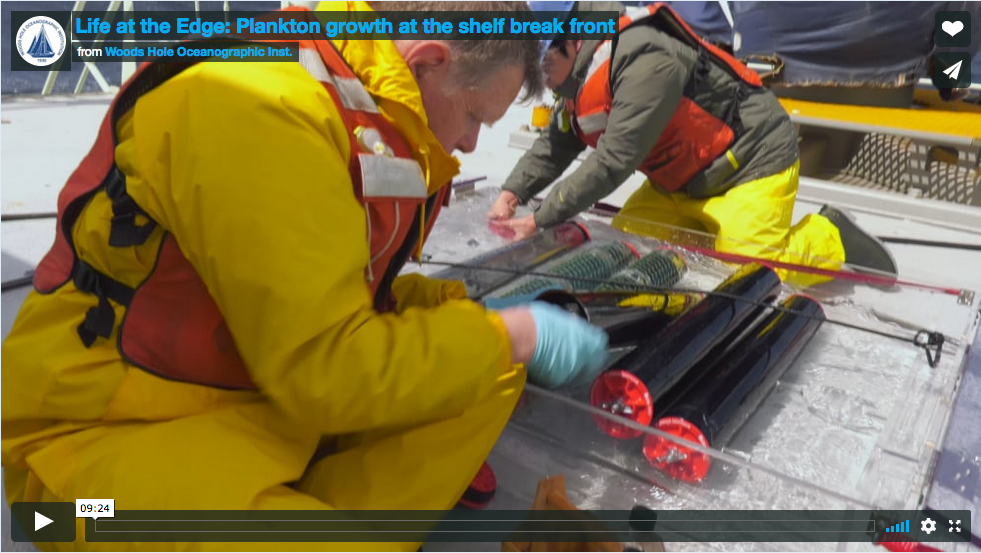
What makes the shelf break front such a productive and diverse part of the Northwest Atlantic Ocean? To find out, a group of scientists on the research vessel Neil Armstrong spent two weeks at sea in 2018 as part of a three-year project funded by the National Science Foundation. During this cruise researchers were able to utilize the near-real-time data from the OOI Pioneer Array to help direct their sampling efforts.
Read MoreEarly Career Highlight – Dax Soule – Using the OOI to Build Paths for Success in His Students and His Research
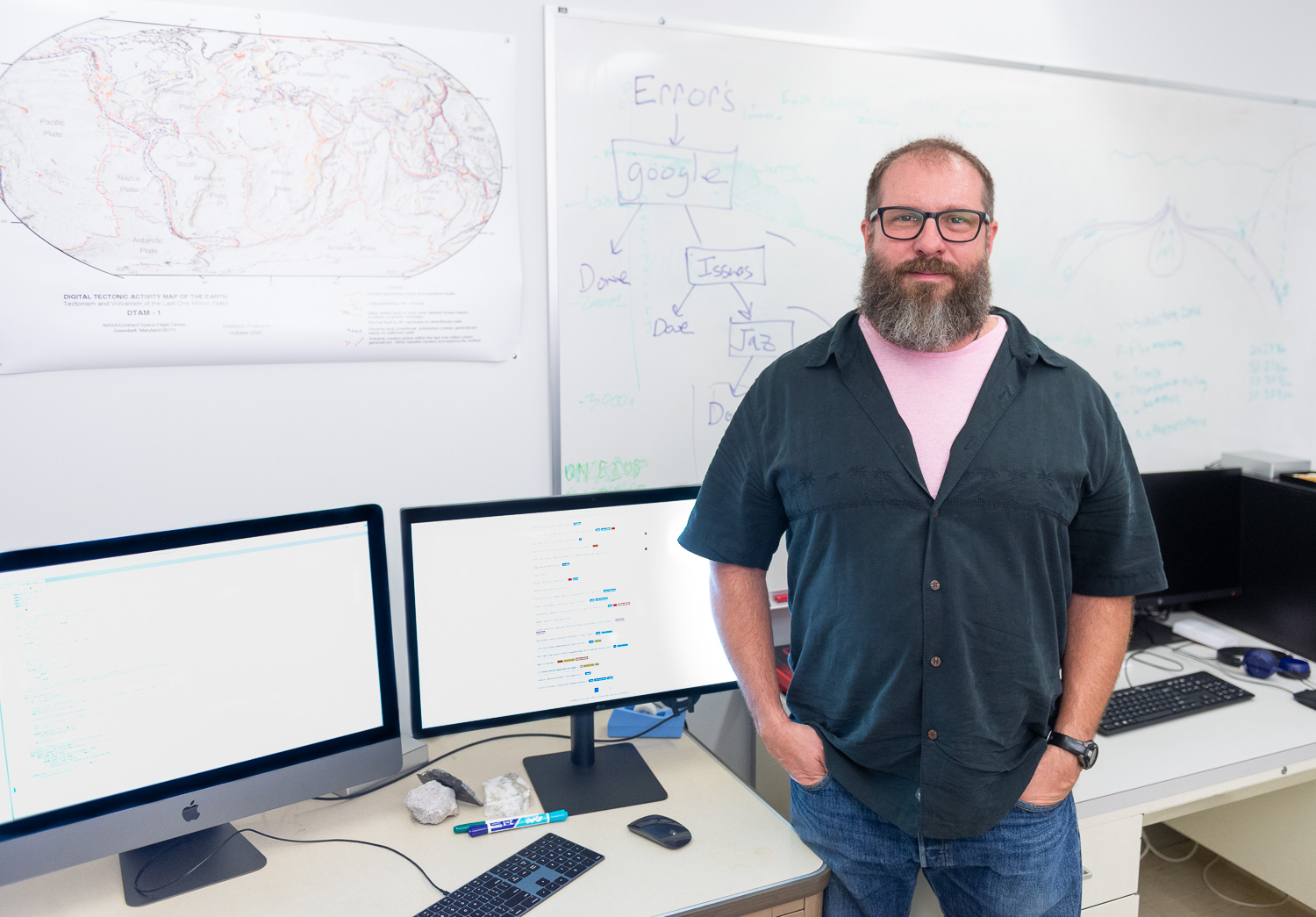
The OOI is like a fire hose with data pouring out,” says Soule. “It’s just there, regardless of whether anyone is using it. If you are brave enough to lean in and just take a sip, just grab a tiny fraction of that data, well that’s enough for a research project right there.”
Read MoreEarly Career Highlight – Veronica Tamsitt – Taking hold of opportunities in the Southern Ocean
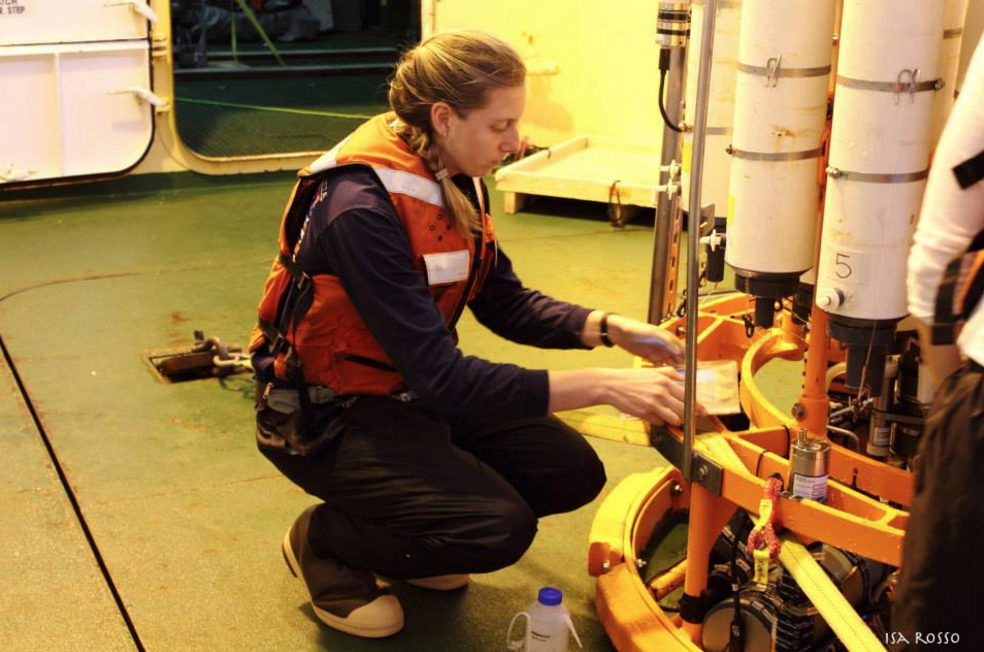
To Tamsitt, the OOI is a game changer in the Southern Ocean. “In the air-sea flux community, there are almost no measurements in the Southern Ocean except from ships,” says Tamsitt. “The OOI Surface Mooring is the southernmost mooring ever deployed.
Read MoreSuccessful Science Platform and Gear Recovery
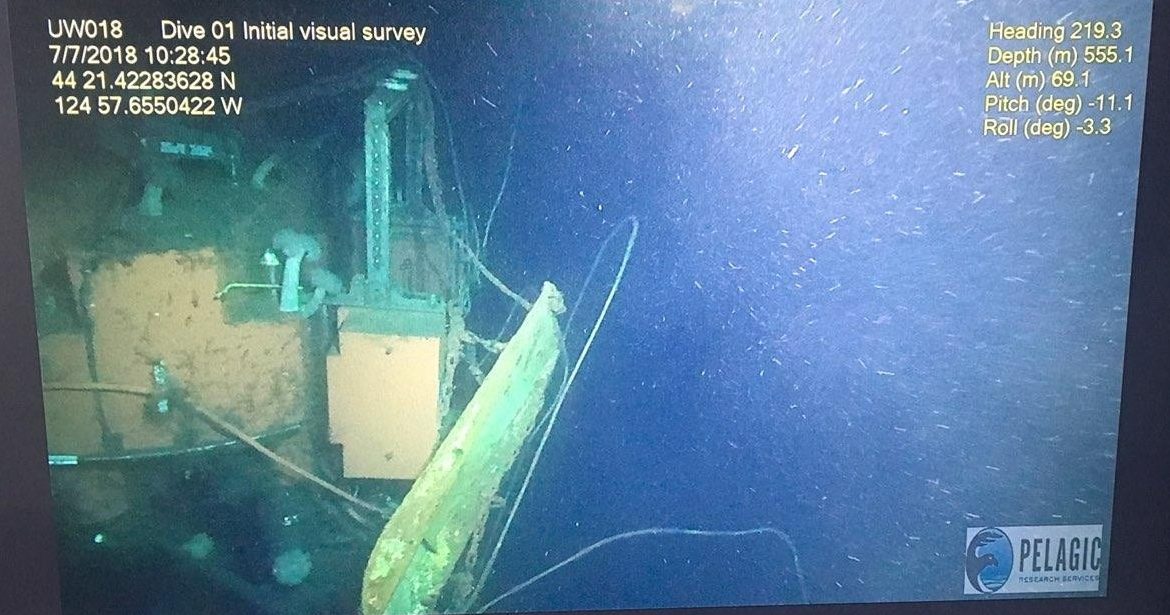
Re-post from the Oregon Fishermen’s Cable Committee –
On July 7th the RV Bold Horizon, using a small Remote Operated Vehicle (ROV), successfully recovered fishing gear and the sub-surface platform the gear was fouled on. The science platform, part of the Ocean Observatories Initiative, was struck by trawl gear on September 16, 2017, disabling the platform and the shallow-water profiler that was onboard. Pelagic Research Services, which was contracted to recover the platform and gear, found the platform and a trawl door about 38 fms off the bottom in 304 fms of water. OFCC Board member and fisherman Gary Wintersteen assisted with the recovery. Photos courtesy of Gary Wintersteen. More photos and video are available on the OFCC Facebook page.
Early Career Highlight – Wu-Jung Lee’s journey into ocean sound from dolphins to bats and back to the sea

“One of the reasons I first got interested in the OOI data was because it is free and available to the public,” says Lee. “Once I started working with the data, I realized just how special it was. I spent all of my time for several months on the OOI echosounder data.”
Read MoreFrom the OOIFB – DDCI Membership Applications NOW OPEN
Applications for membership on the OOIFB Data Dissemination and Cyber Infrastructure Committee are being accepted until August 30, 2018.
Read More